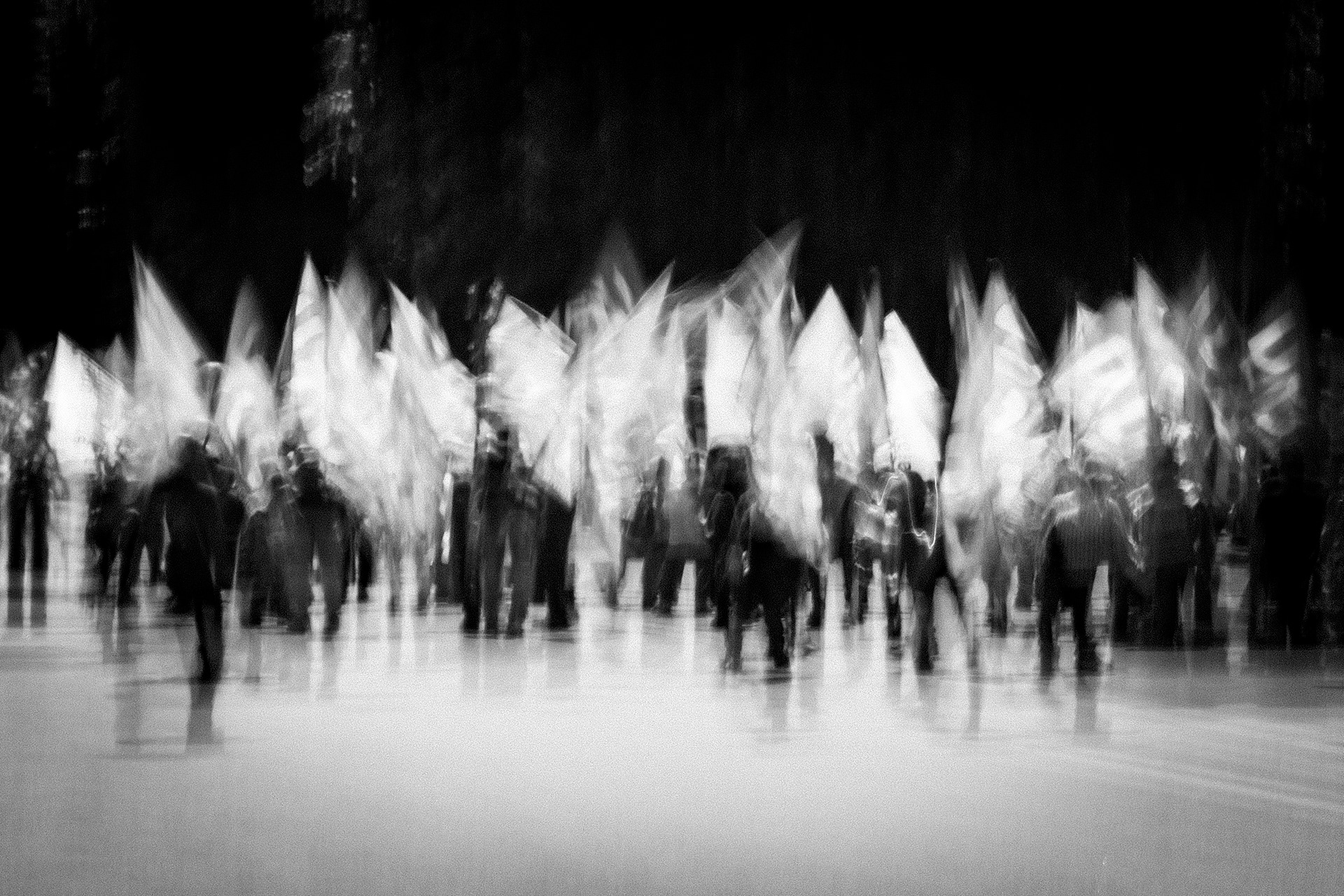
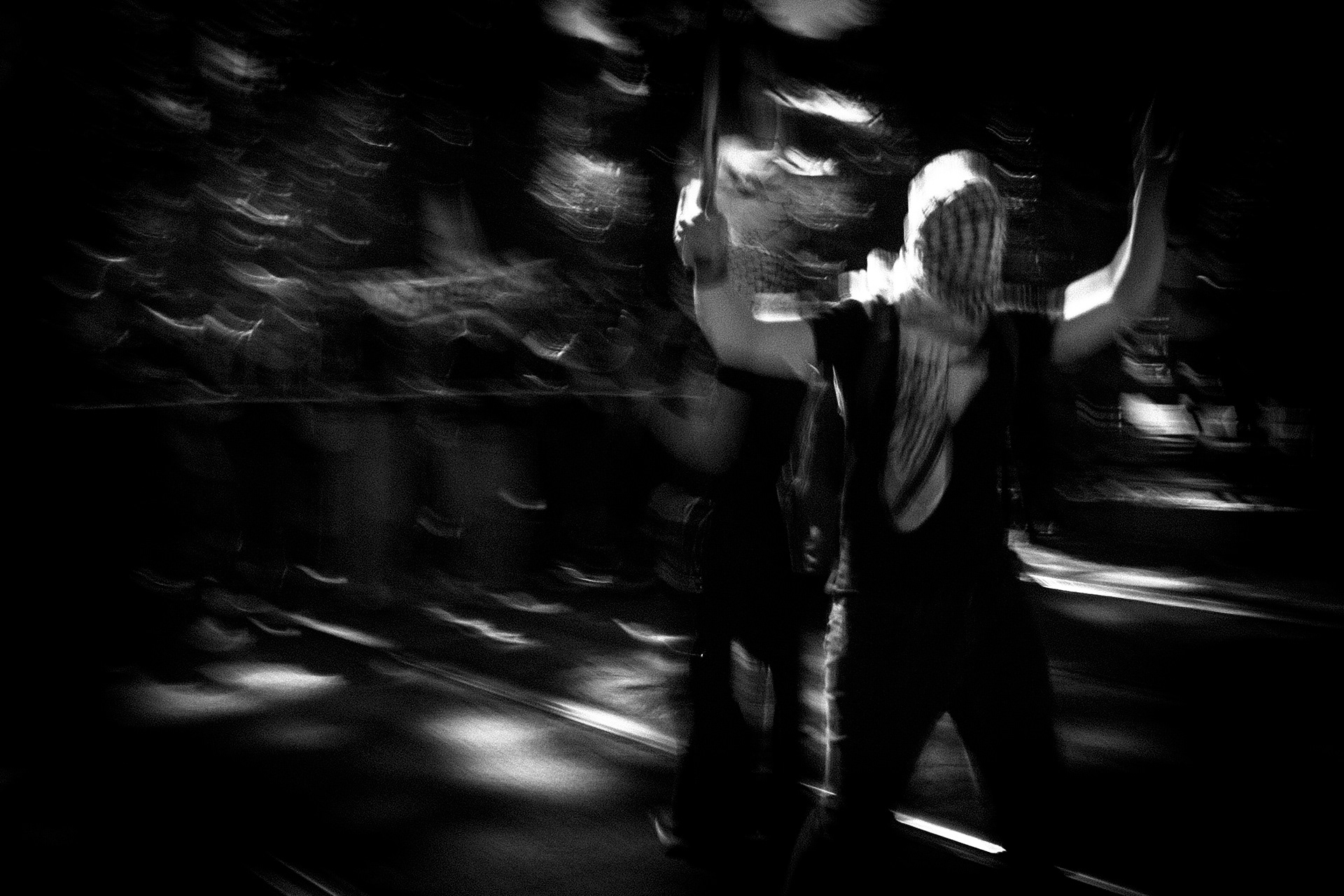
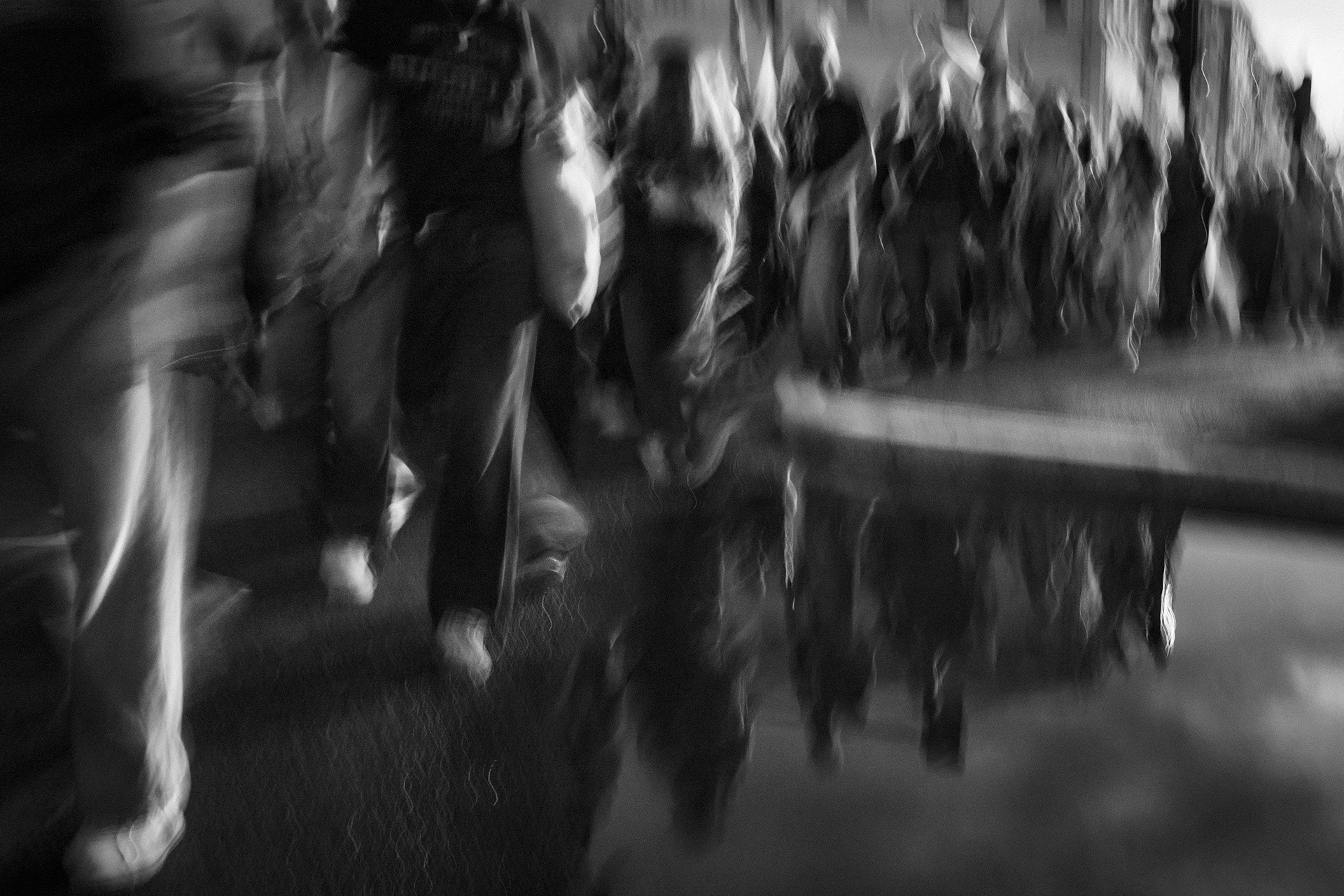
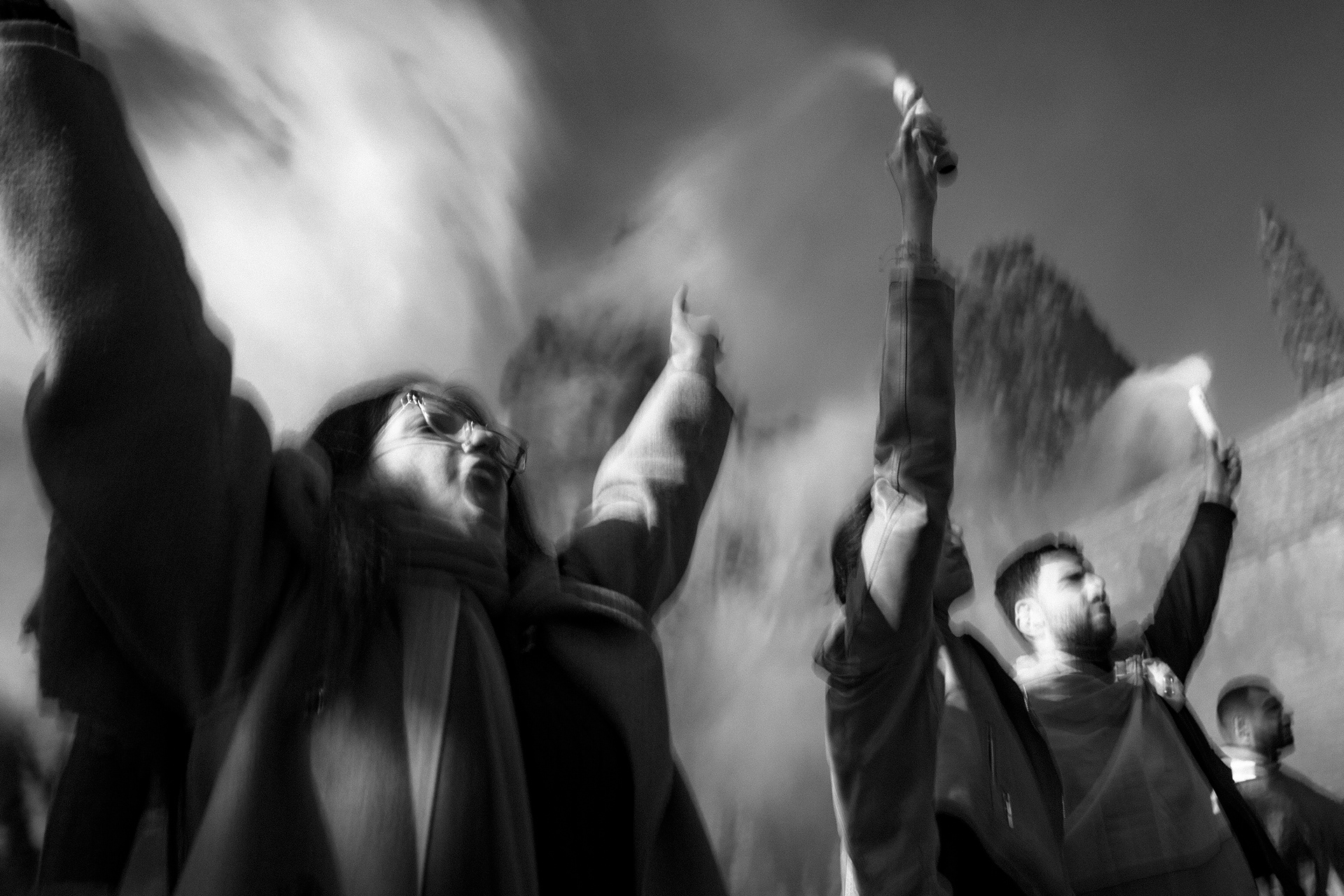
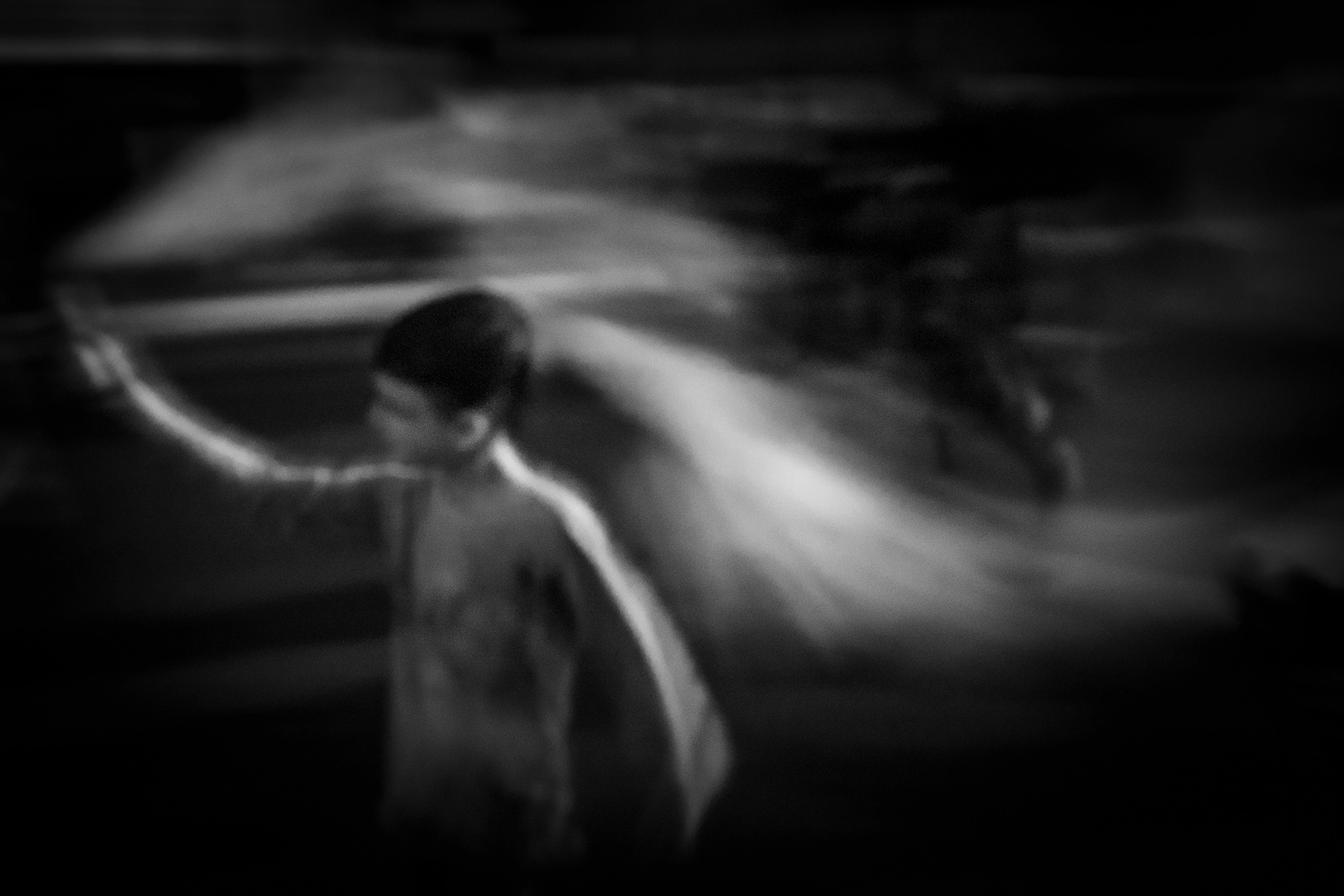
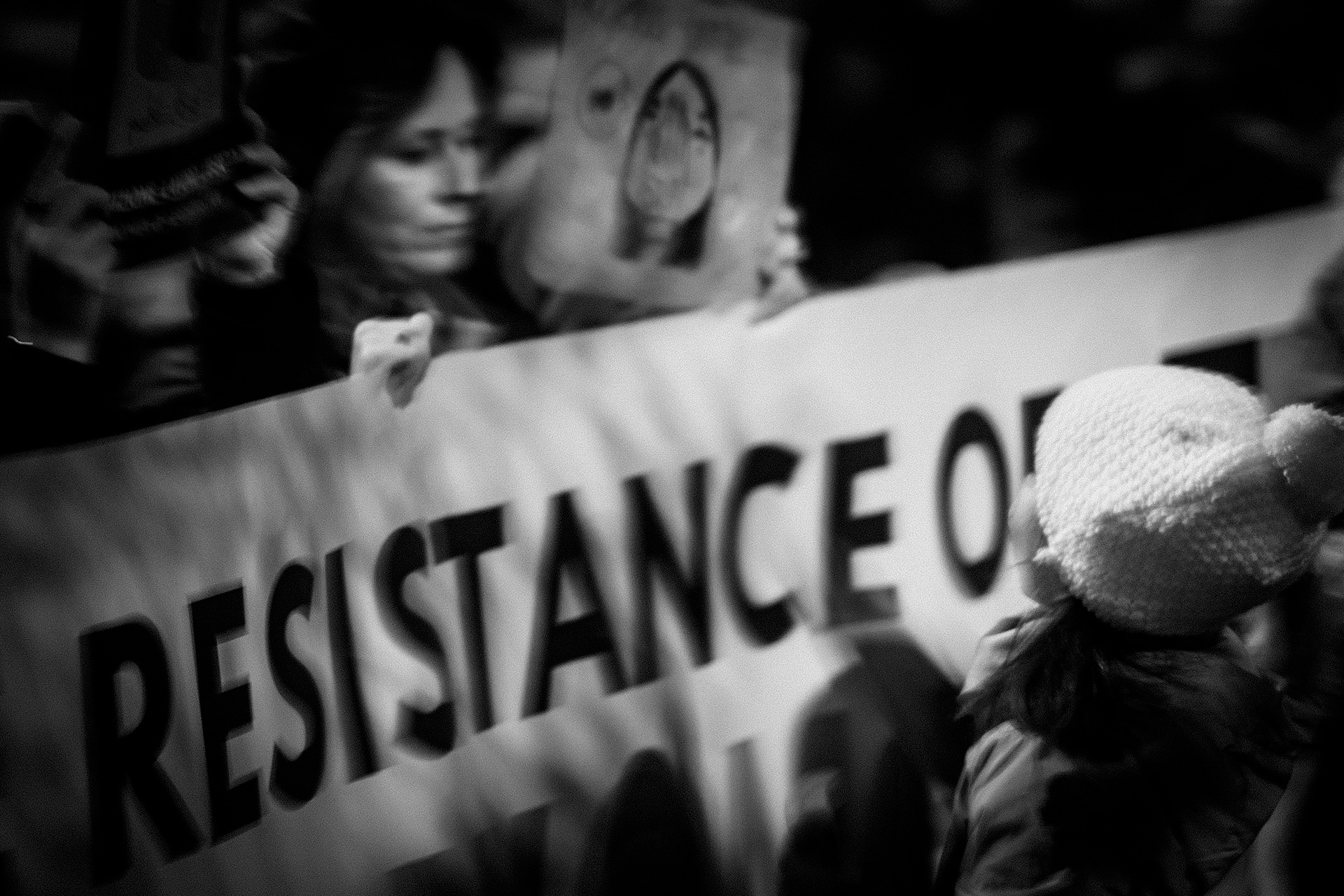
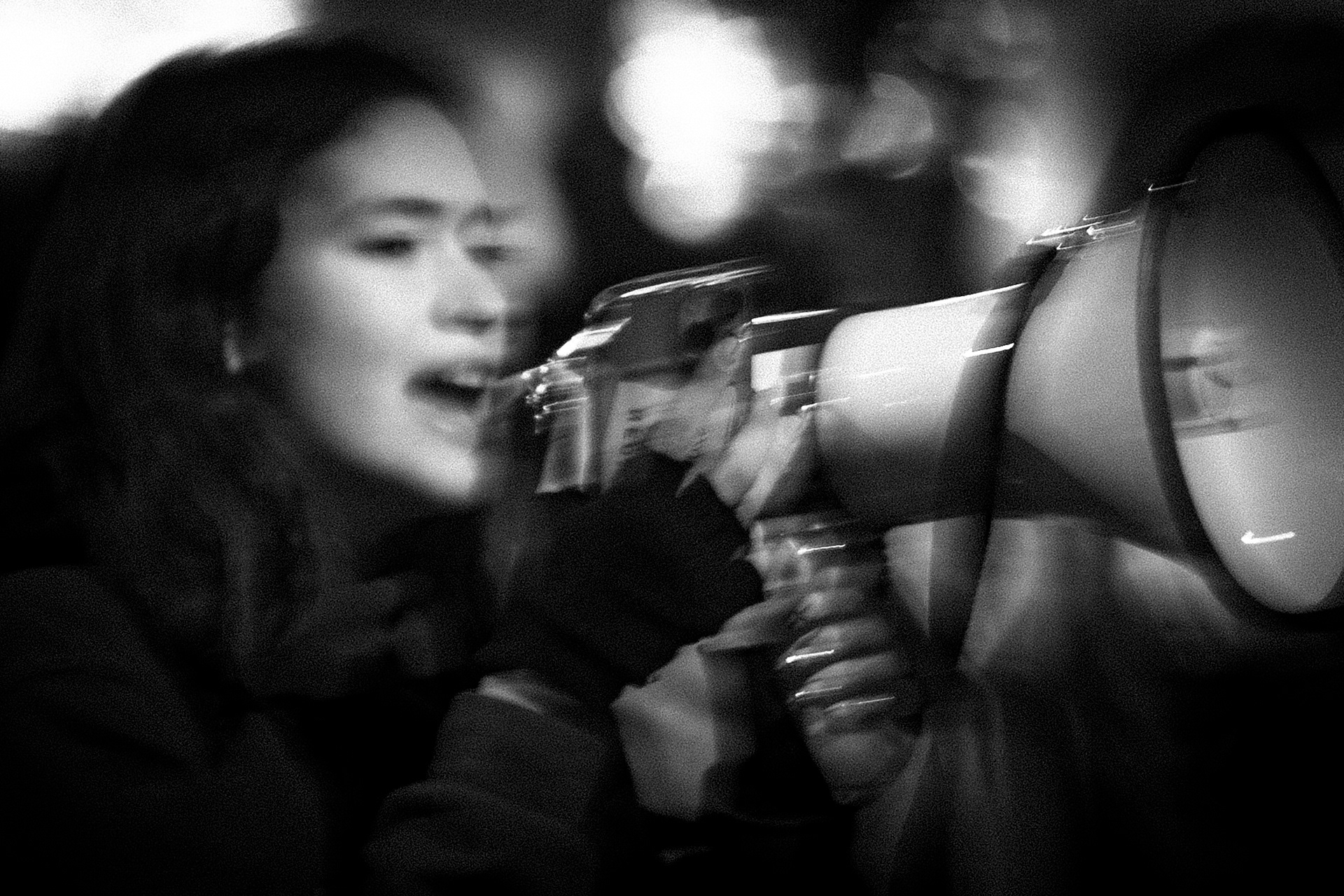
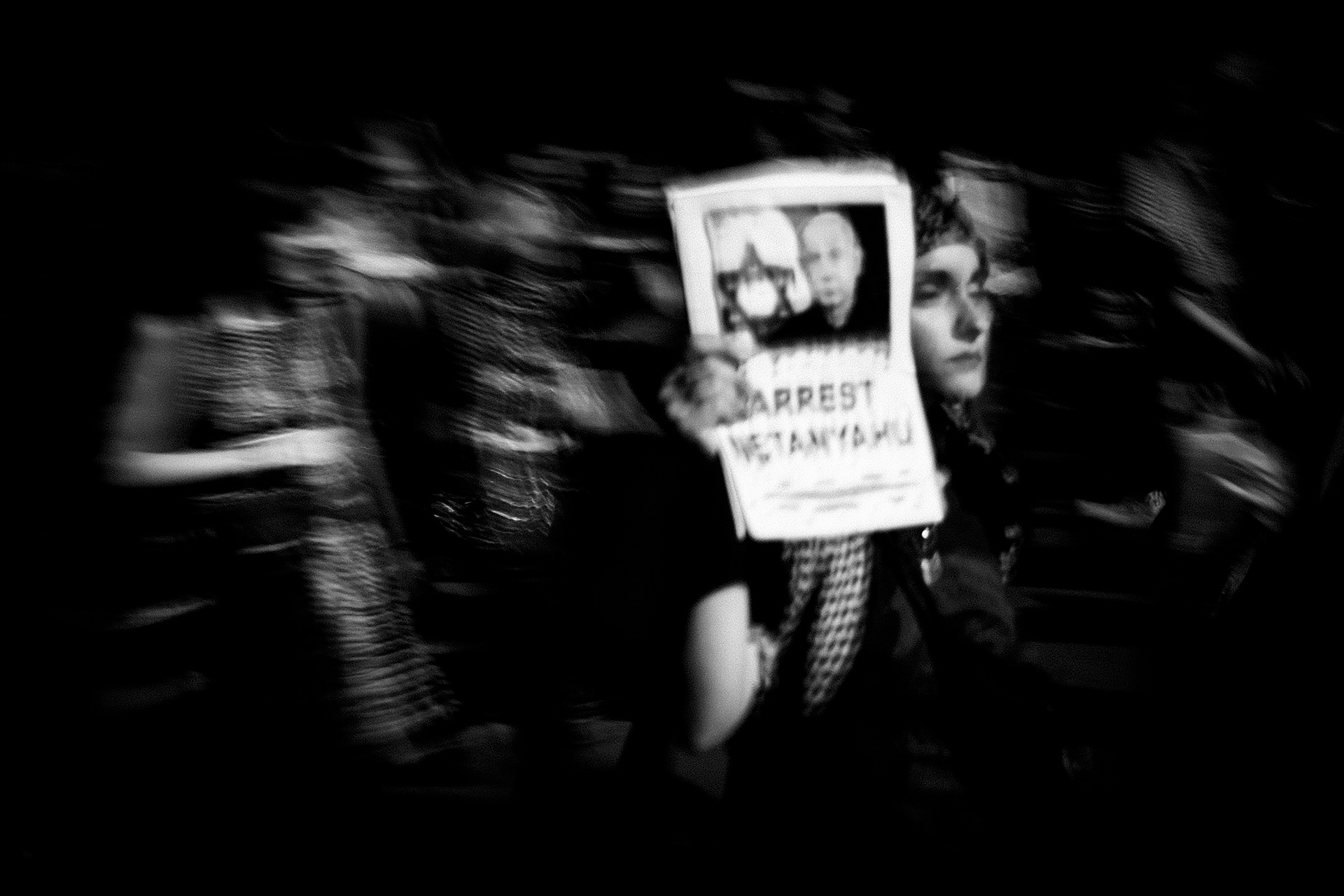
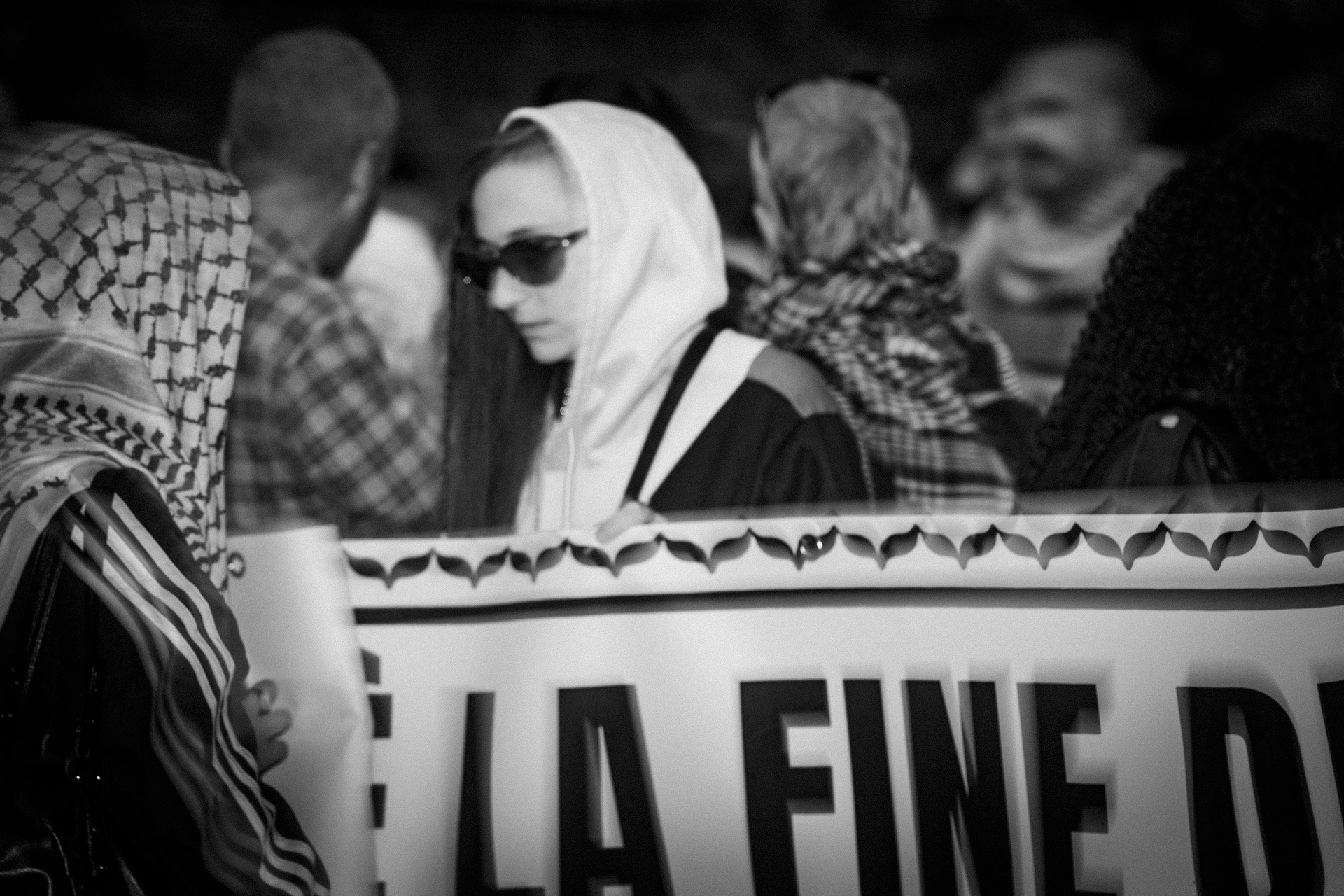
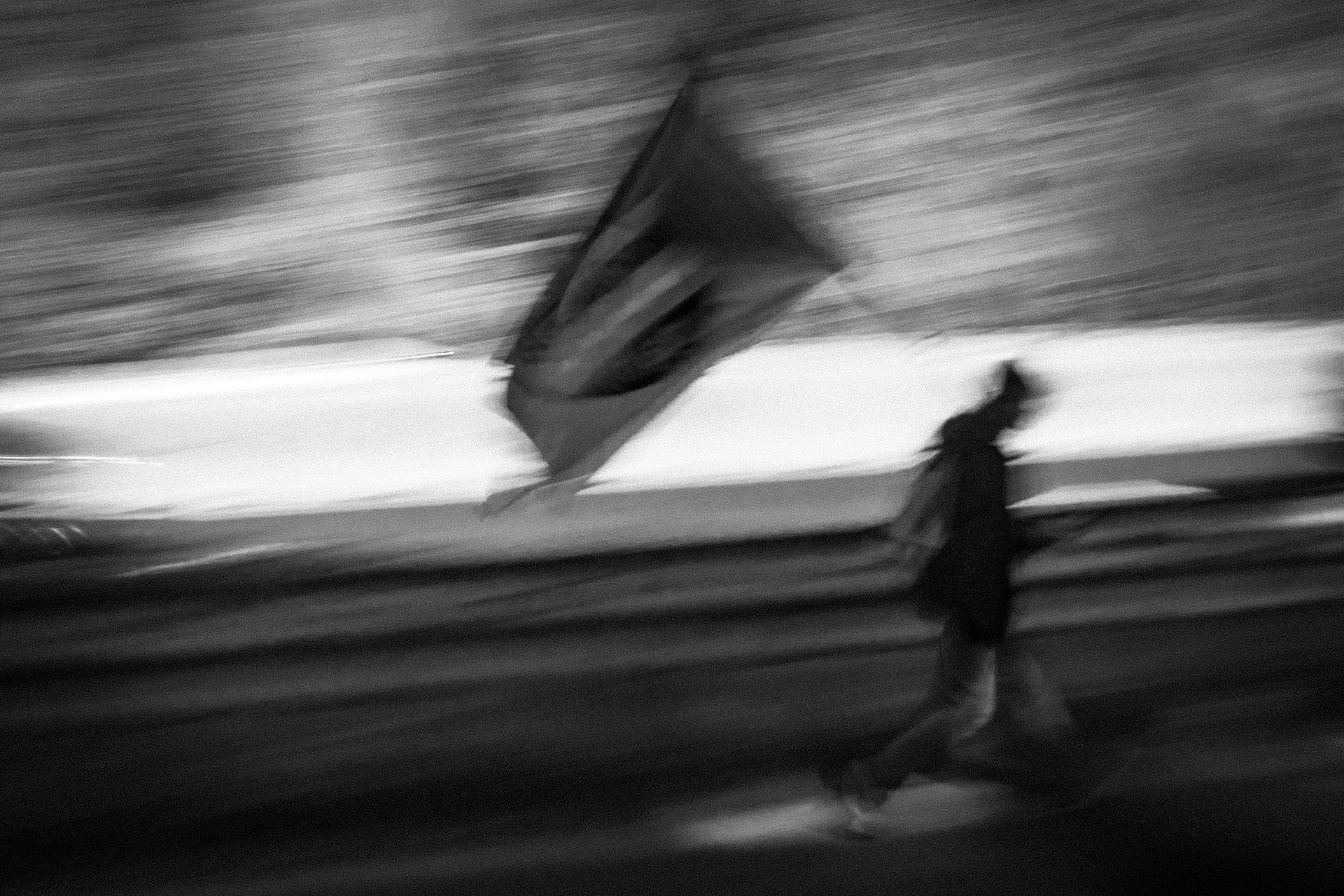
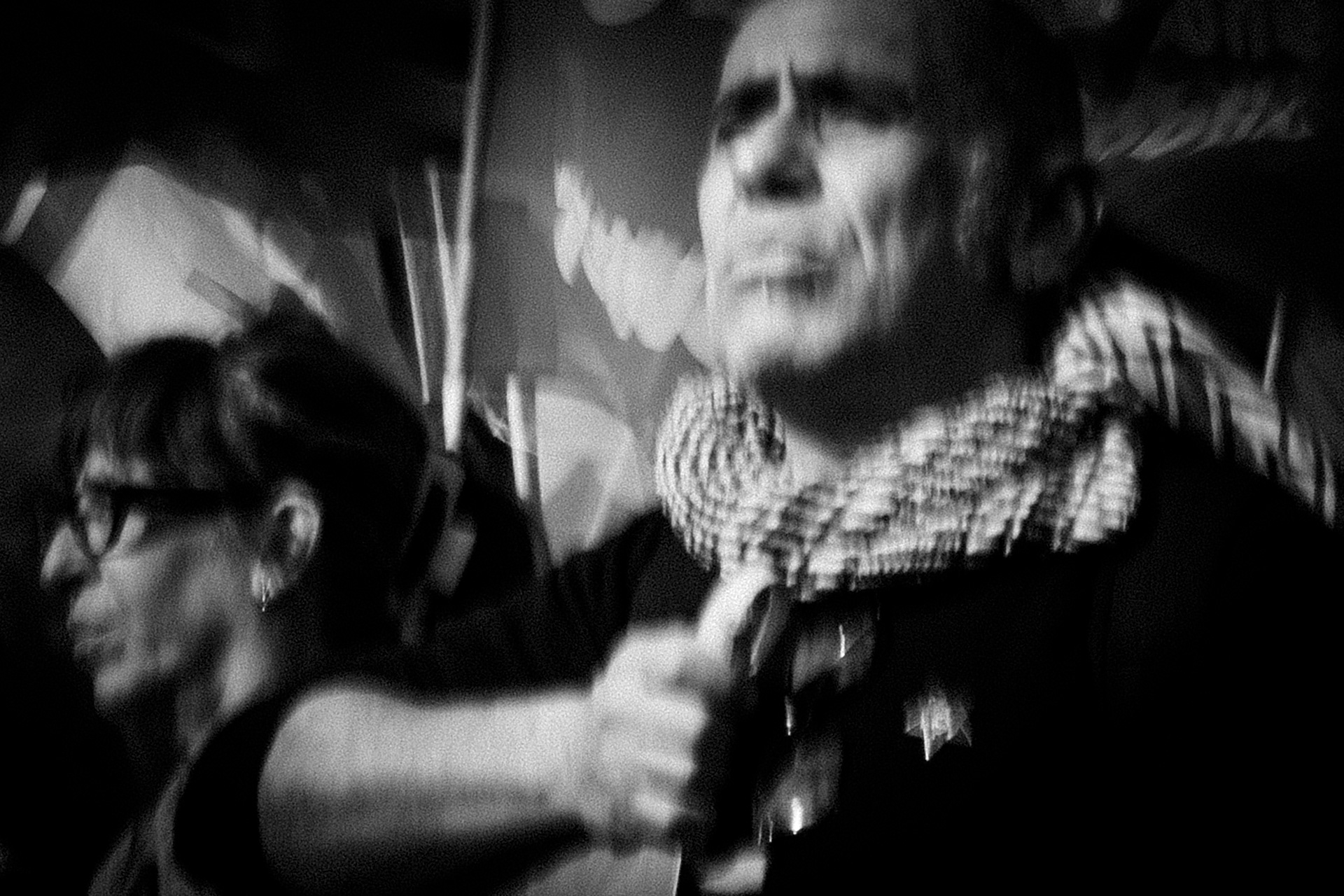
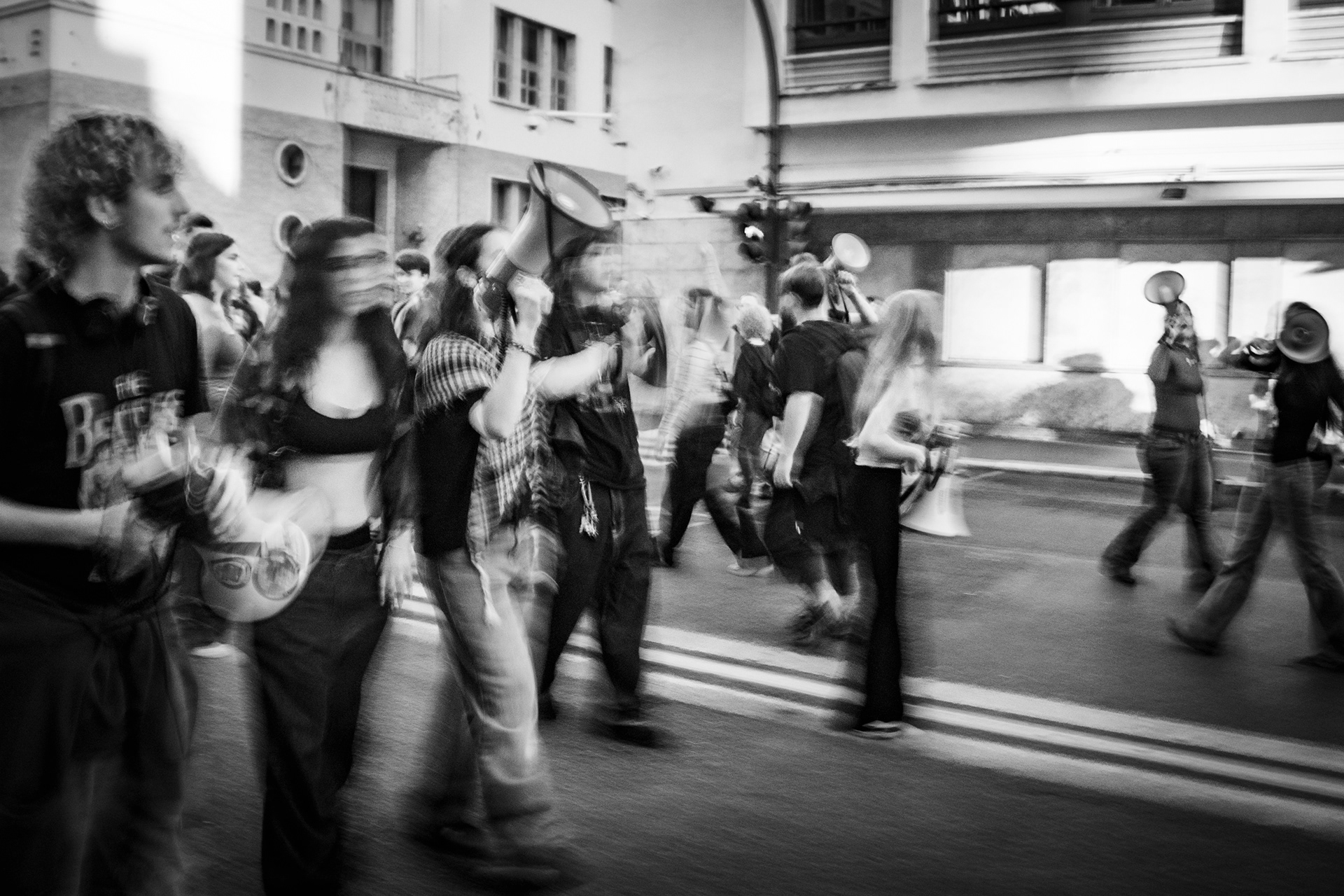
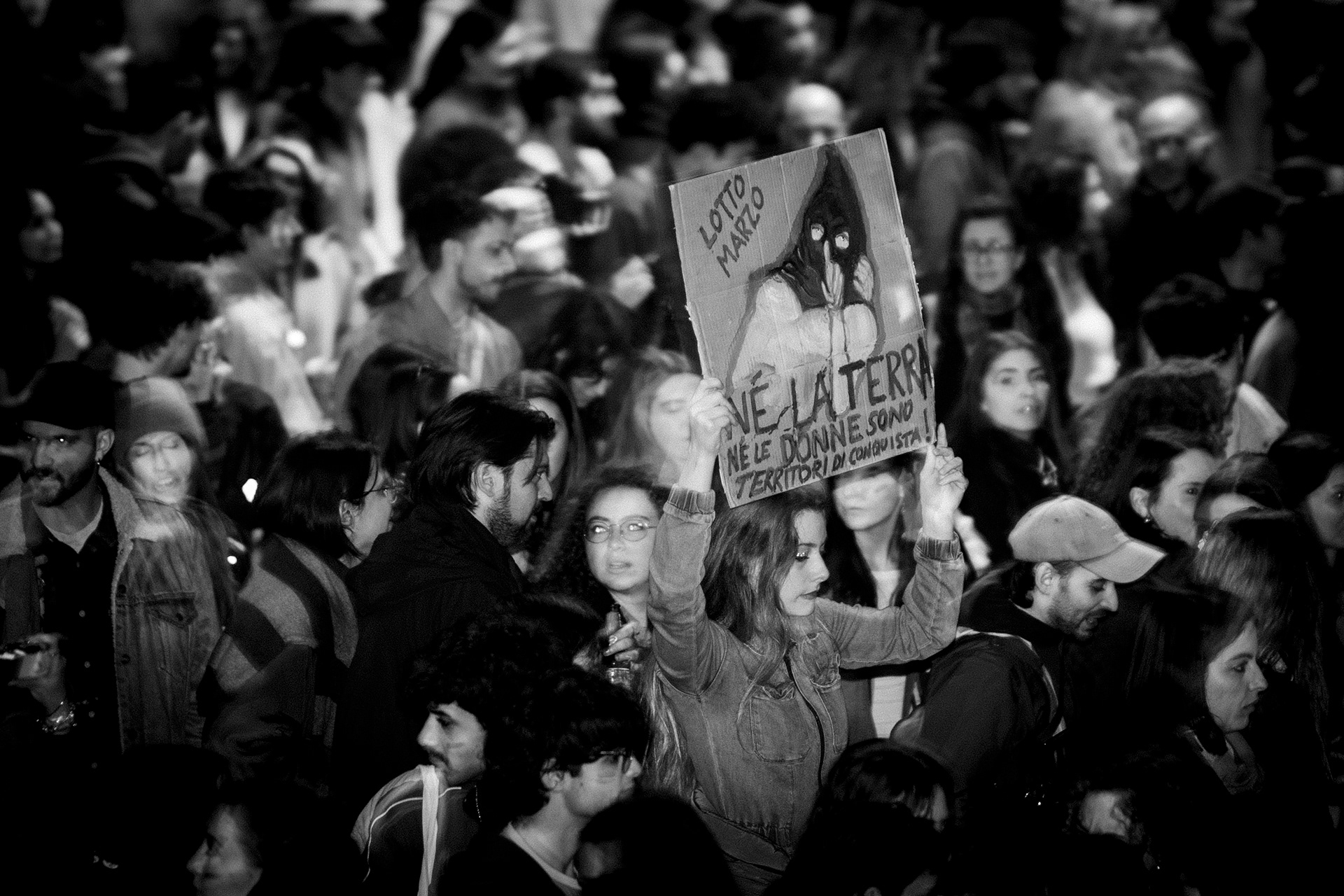
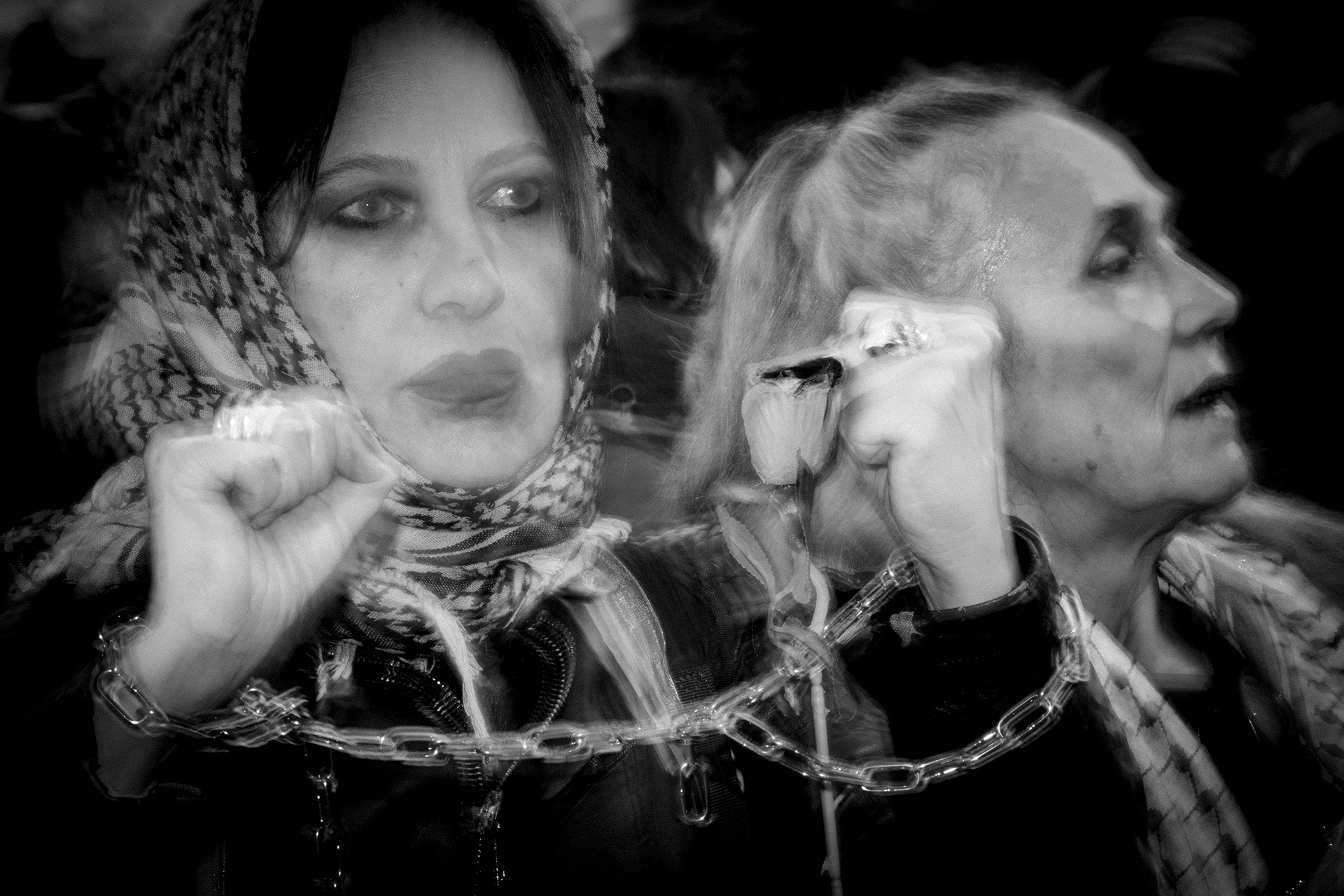
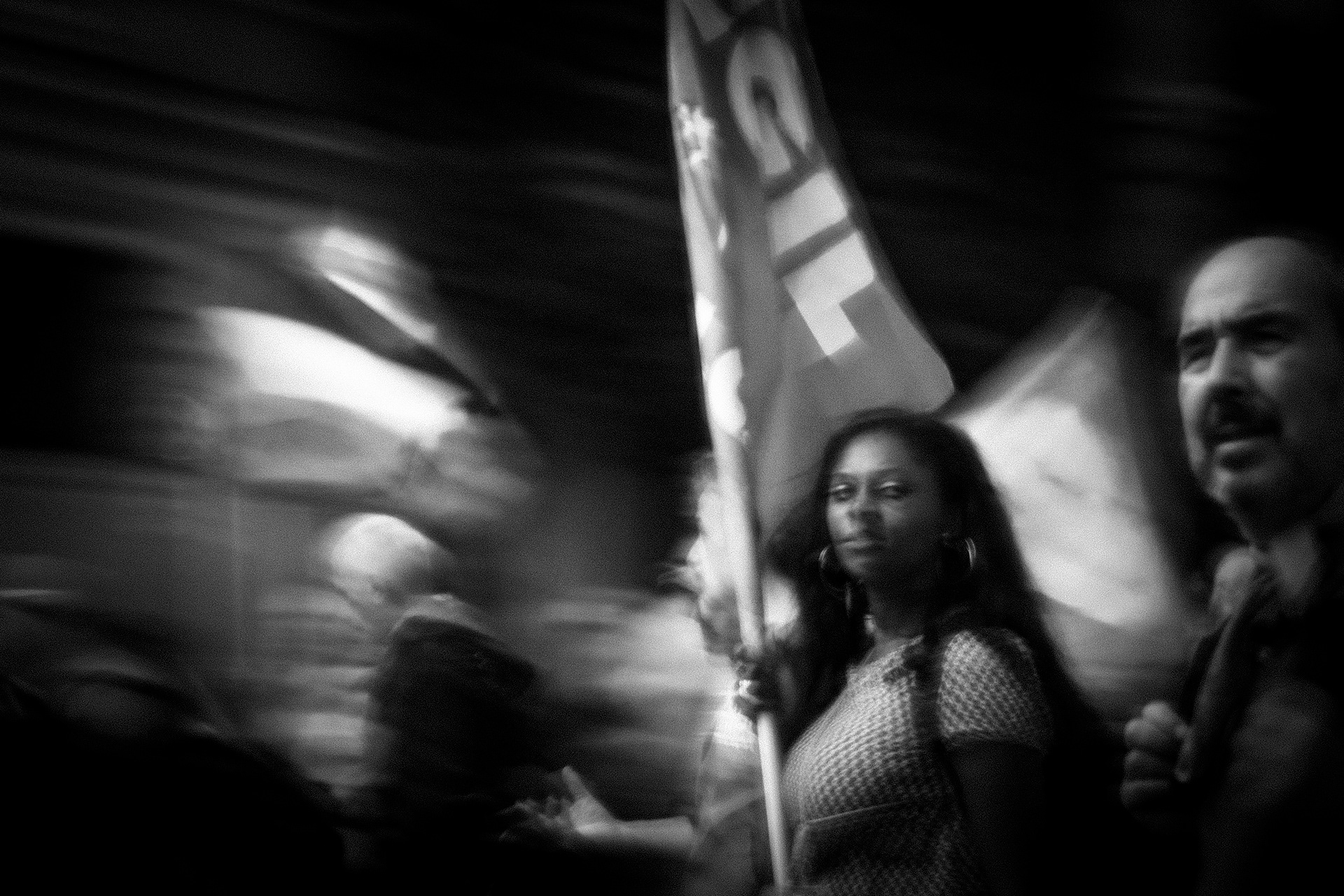
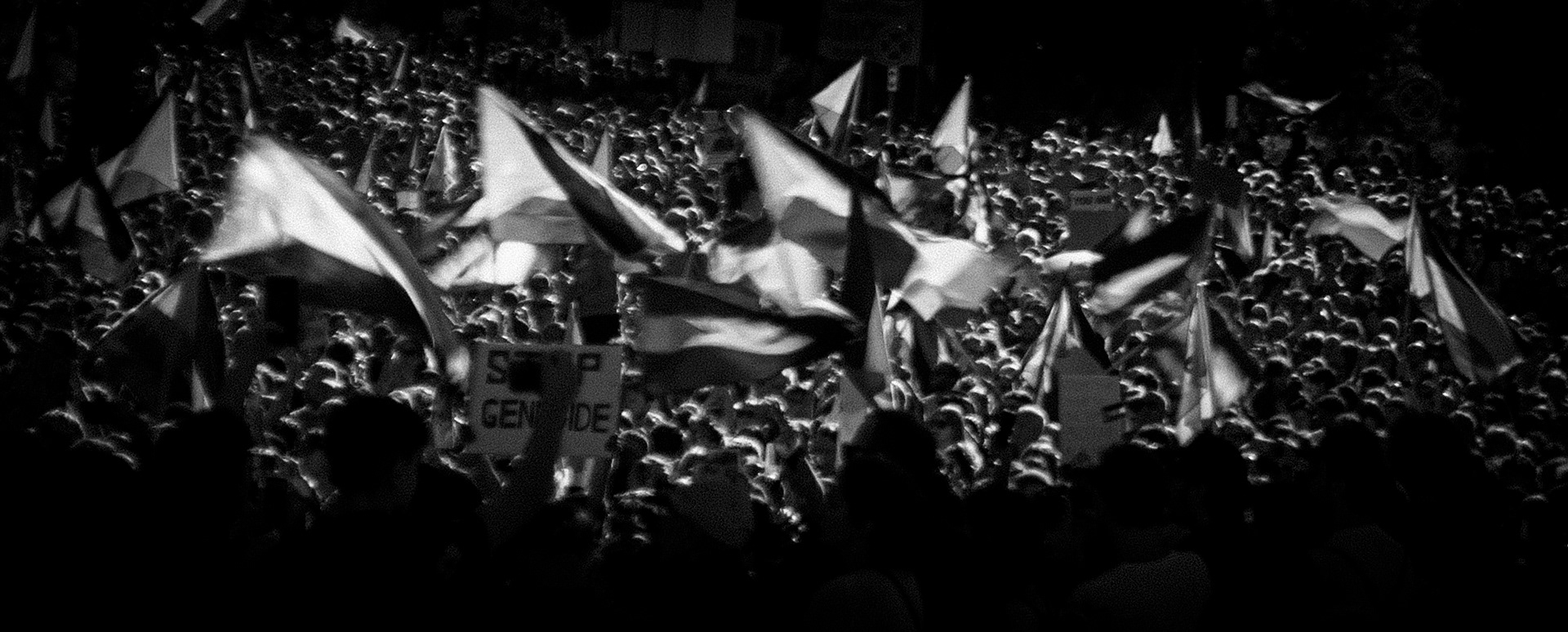
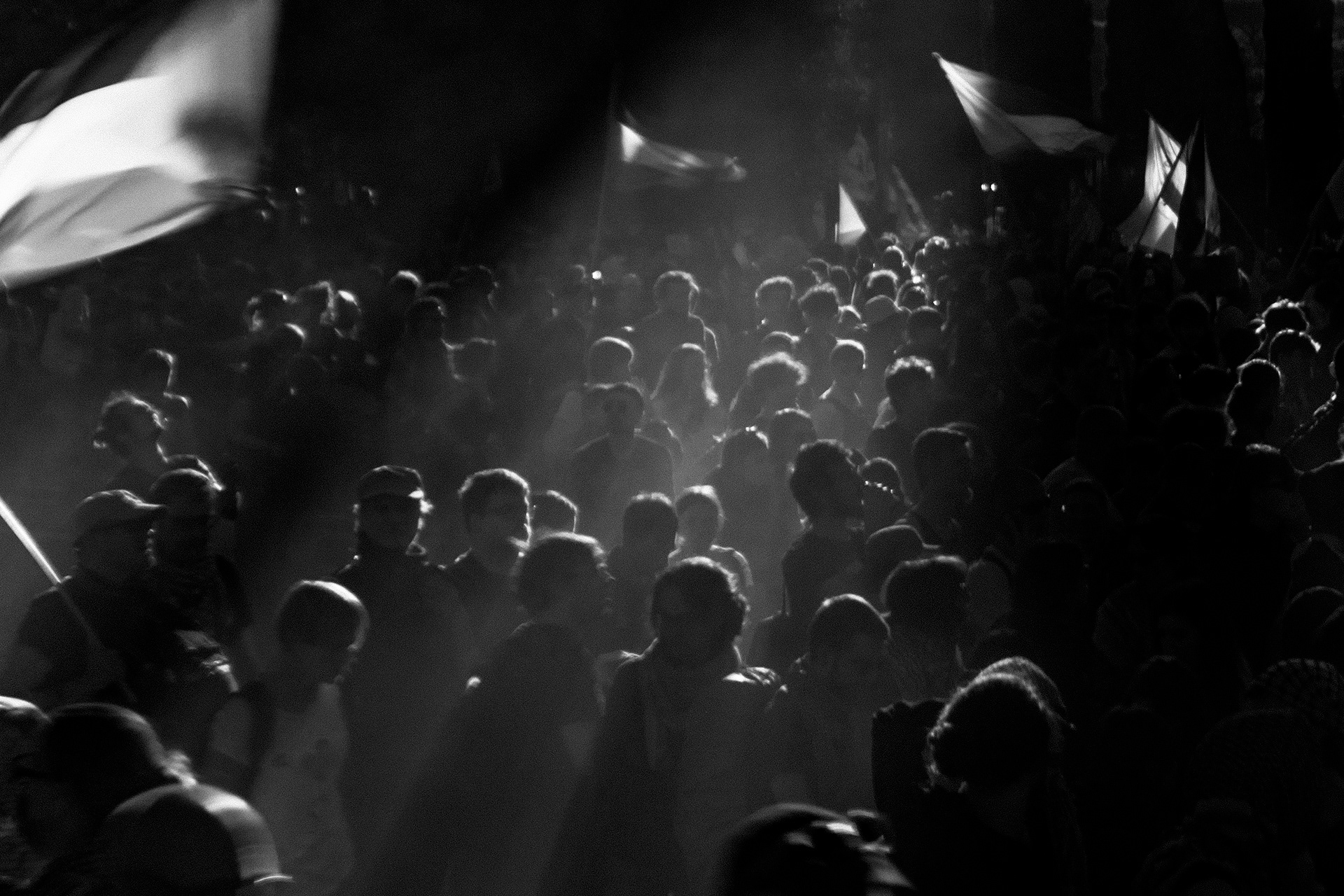
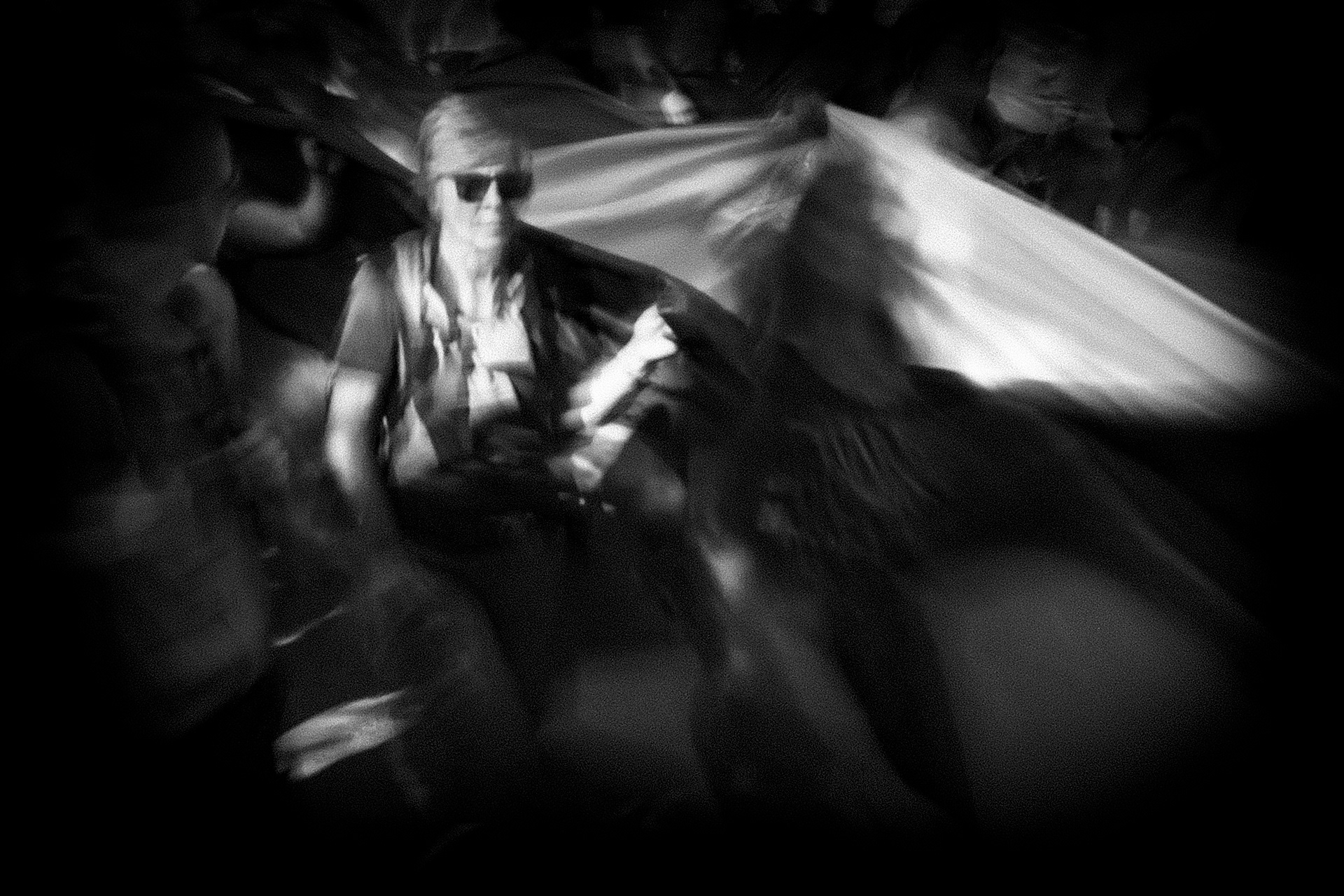
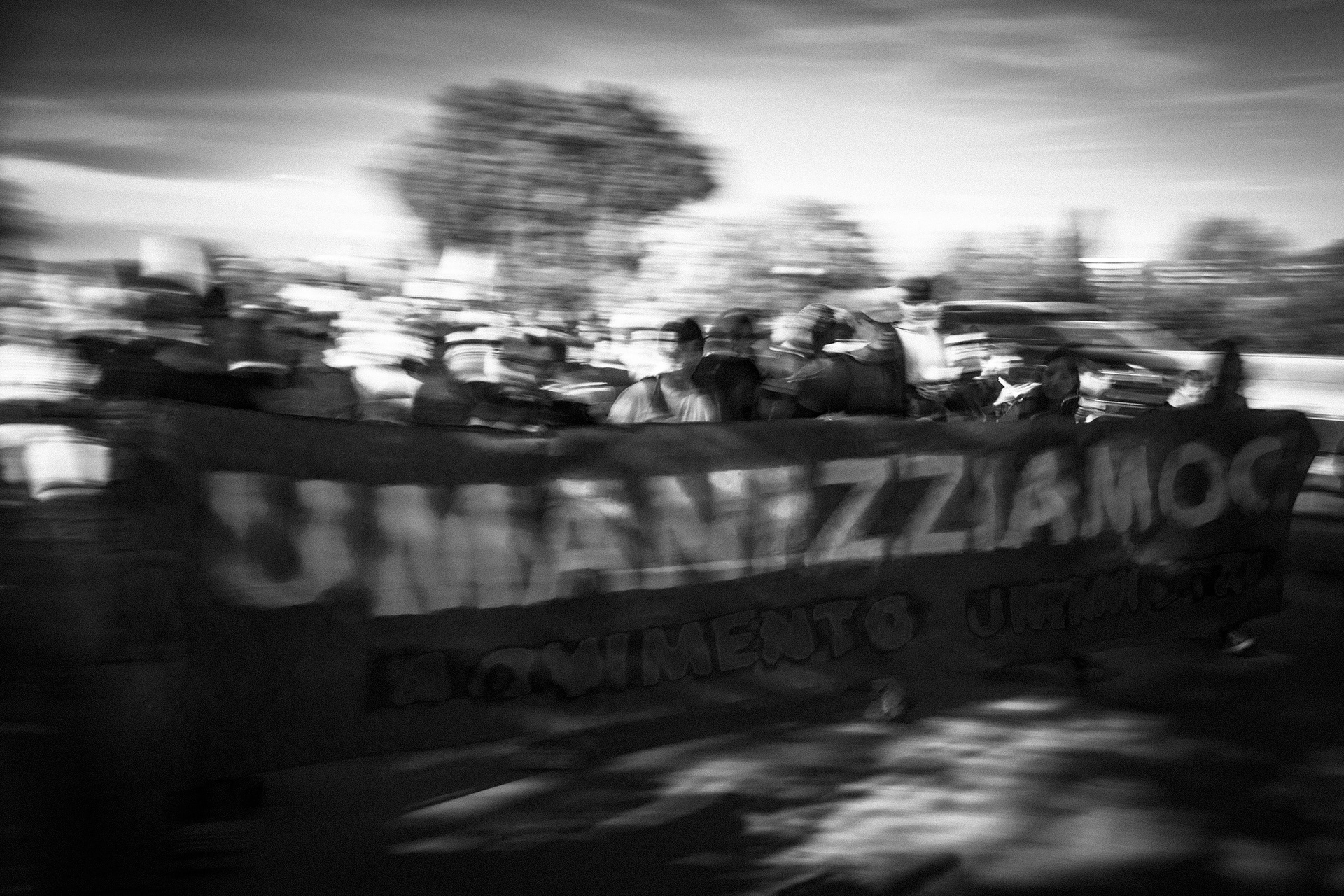
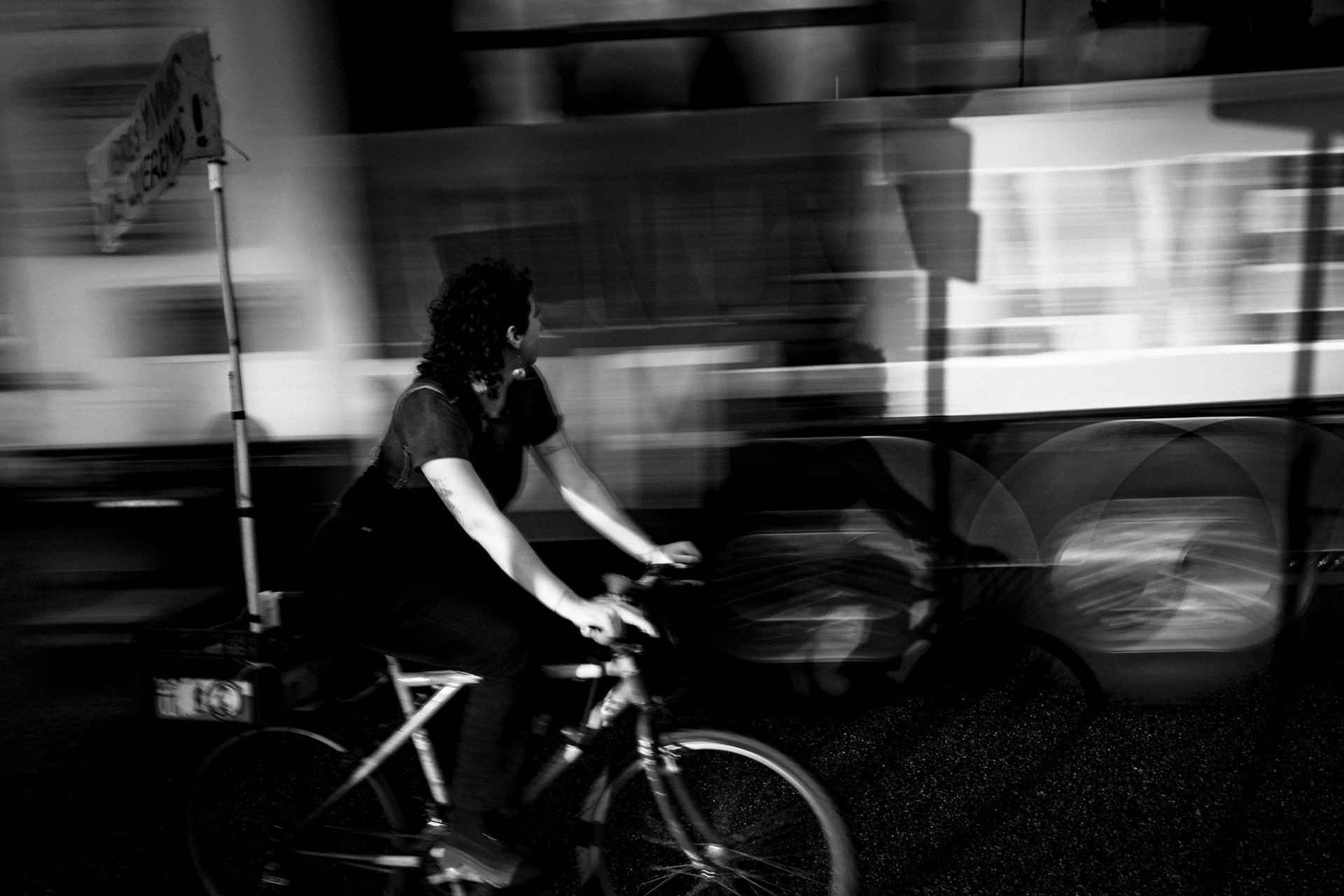
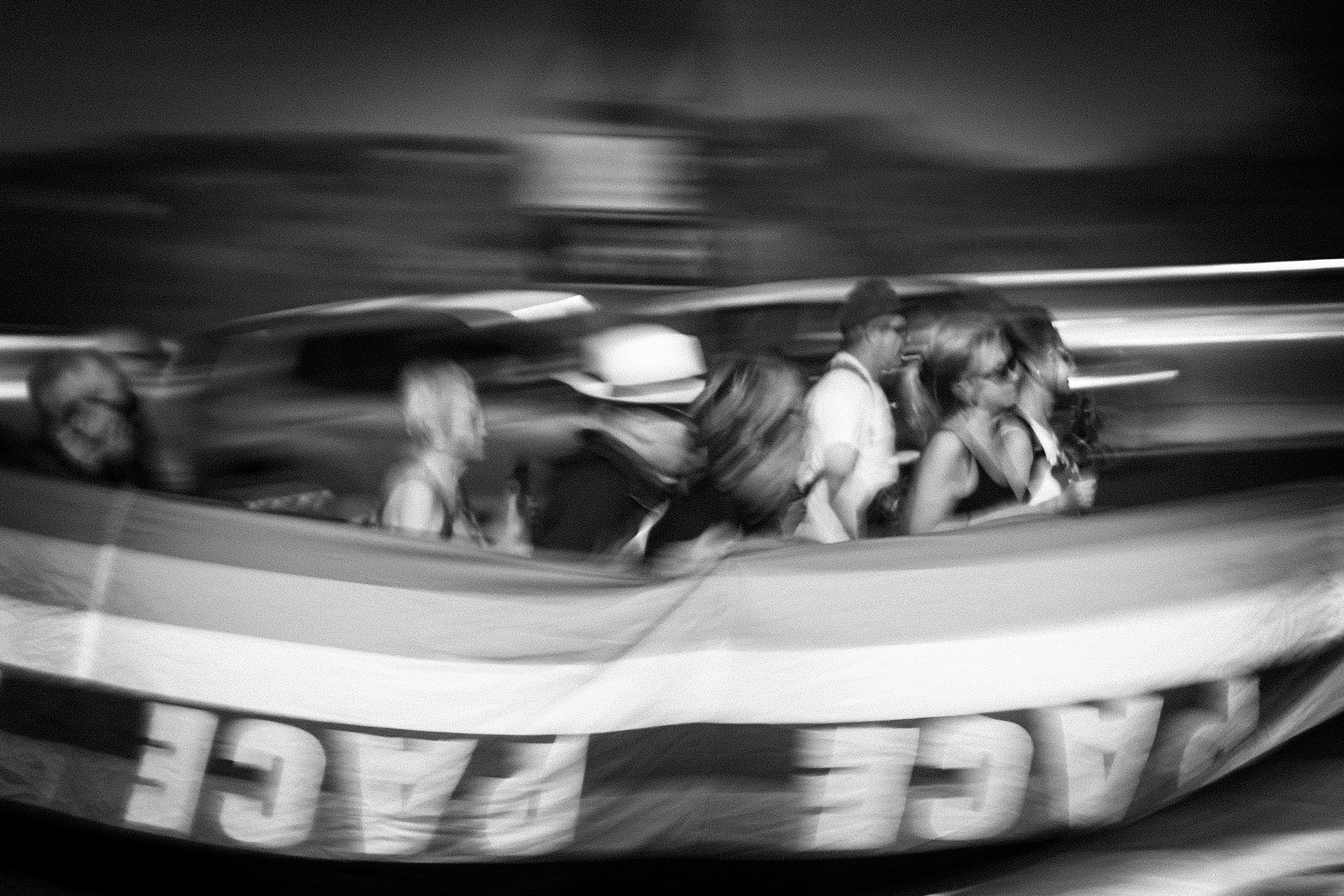
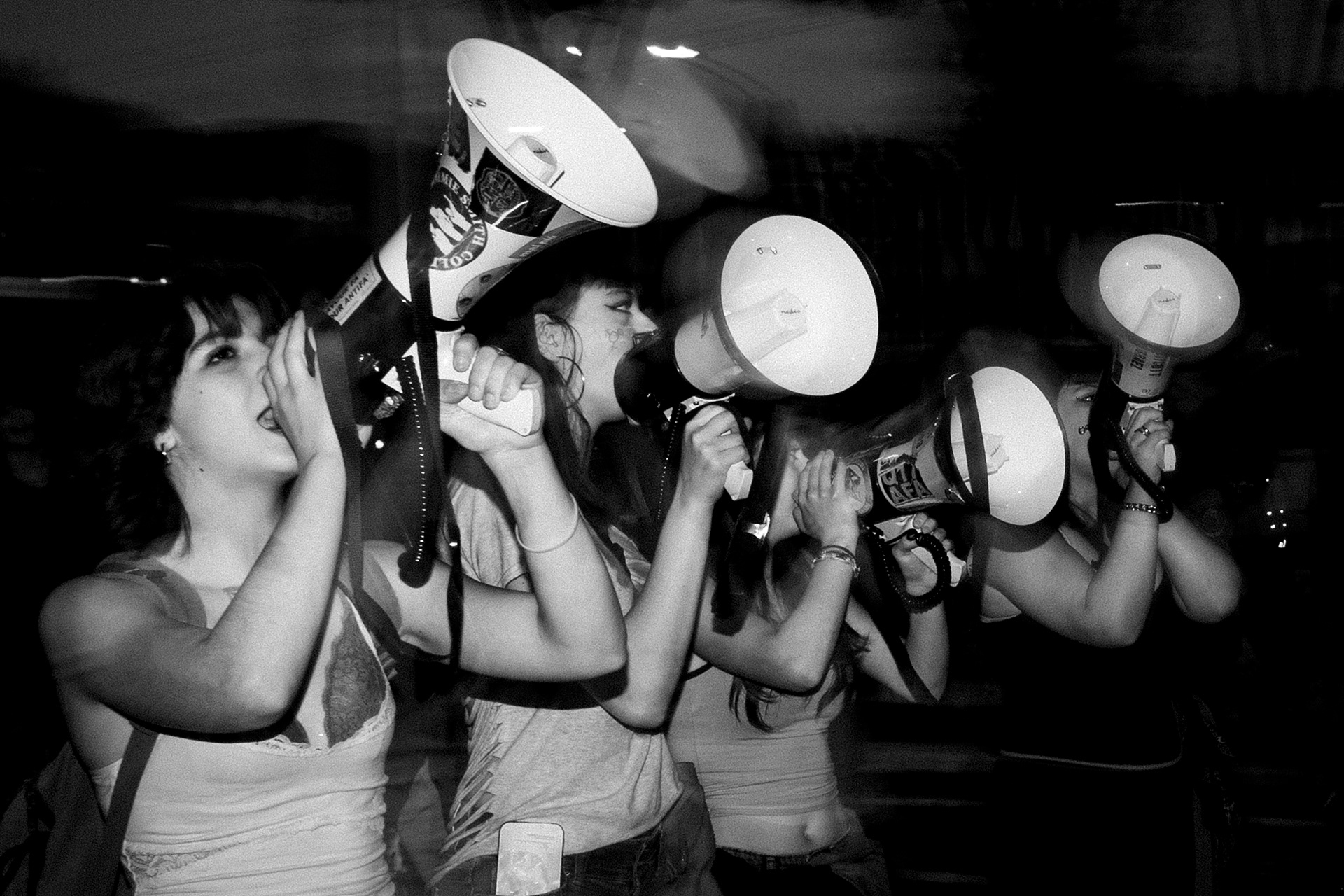
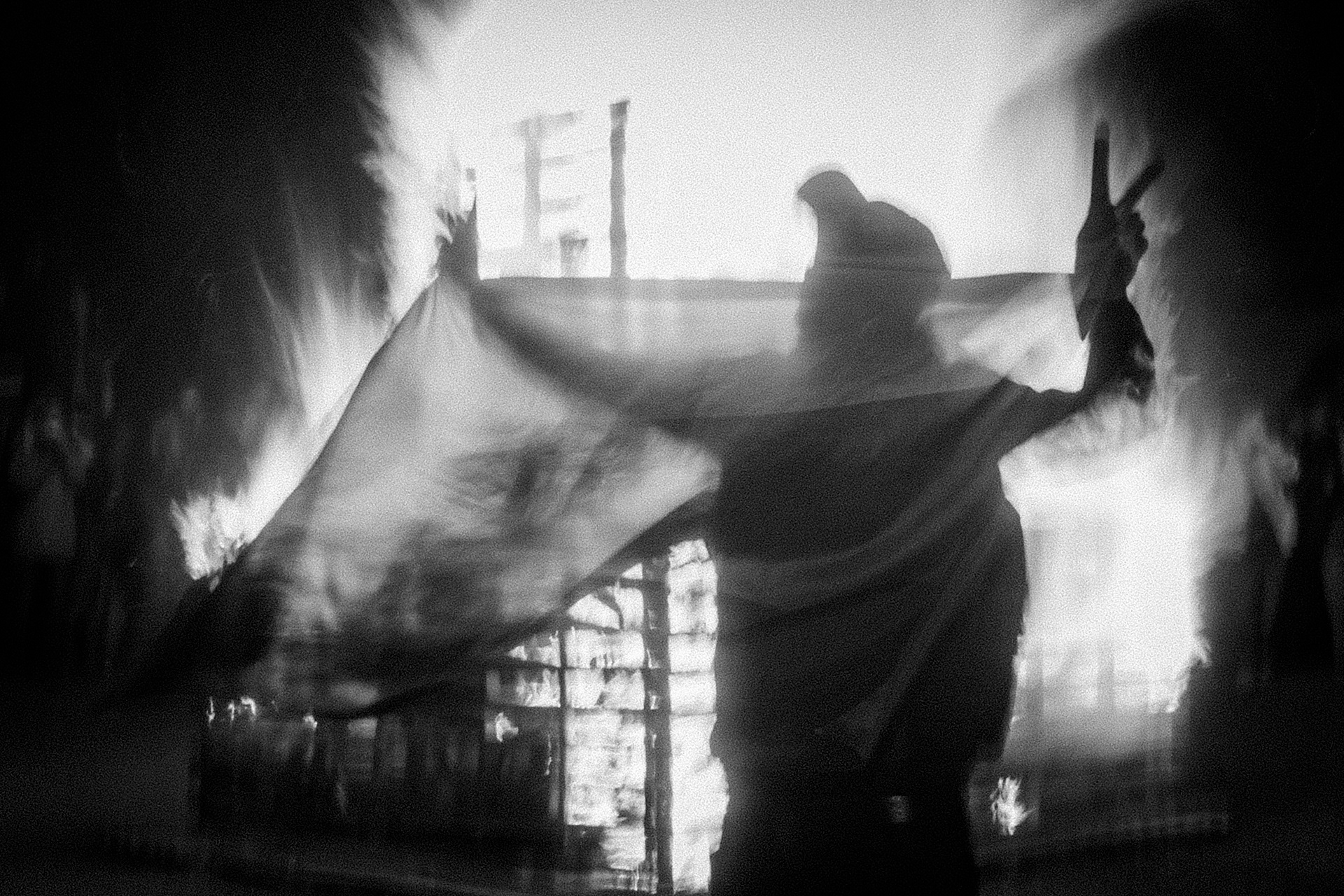
Dissensio rappresenta il secondo capitolo della saga Magnifica Humanitas. Se Humanitas osserva l'essere umano nel fluire ordinario della propria esistenza, qui quella stessa umanità prende coscienza di sé e interrompe la normalità per occupare lo spazio pubblico. È il momento in cui il singolo diventa collettività e il disagio individuale si trasforma in una voce comune. Le immagini attraversano manifestazioni politiche, mobilitazioni per i diritti civili, rivendicazioni del lavoro e ogni forma di protesta nata dalla necessità di difendere libertà, dignità e giustizia sociale. Non raccontano una specifica appartenenza ideologica, ma il bisogno universale dell'essere umano di opporsi a ciò che percepisce come ingiusto. La protesta diventa così una delle espressioni più profonde della condizione umana: il rifiuto dell'indifferenza, la volontà di affermare la propria esistenza e il desiderio di lasciare un segno nella storia. Il titolo richiama il concetto latino di dissensio, il dissenso inteso non come semplice opposizione, ma come manifestazione di una coscienza critica che rifiuta di accettare passivamente l'ingiustizia. In ogni epoca il dissenso è stato interpretato dal potere come una minaccia all'ordine costituito; eppure la vera origine del conflitto non risiede nella protesta, bensì nelle condizioni politiche, sociali ed economiche che la rendono necessaria. Le manifestazioni non sono la causa della frattura sociale, ma la conseguenza di decisioni che limitano diritti, libertà e possibilità di futuro. La fotografia non cerca di stabilire chi abbia ragione. Si avvicina ai corpi, ai volti, ai gesti e alle relazioni che nascono nello spazio pubblico quando una comunità decide di non rimanere più in silenzio. Ogni immagine documenta un momento in cui l'umanità tenta di modificare il corso della propria storia, opponendosi a quelle forze che rischiano di condurla verso la frammentazione e l'autodistruzione. All'interno della saga, Dissensio rappresenta il passaggio dalla semplice esistenza alla consapevolezza del conflitto. È il momento in cui l'essere umano manifesta la propria capacità di ribellarsi, ma anche la difficoltà di superare definitivamente le divisioni che egli stesso genera. La tensione che attraversa queste immagini anticipa il capitolo successivo, Apocalypsis, dove il conflitto si trasforma in rivelazione e l'umanità è chiamata a confrontarsi con la propria fragilità. Osservato dalla prospettiva conclusiva di Magnifica Creatura, questo capitolo assume il valore di una testimonianza. Quelle folle, quei cortei, quelle mani alzate e quelle voci destinate a disperdersi nel tempo diventano le tracce di una specie che ha cercato incessantemente di ridefinire sé stessa. Le future intelligenze artificiali potranno forse ricostruire gli eventi, catalogare le immagini e comprendere le ragioni del dissenso, ma resterà loro inaccessibile ciò che rendeva possibile quella ribellione: la capacità profondamente umana di indignarsi, sperare e lottare per un futuro ancora incerto. 
_______________________
Dissensio is the second chapter of the Magnifica Humanitas saga. If Humanitas observes the human being in the ordinary flow of existence, here that same humanity becomes conscious of itself and interrupts everyday life to occupy the public sphere. It is the moment when the individual becomes a collective, and personal unease is transformed into a shared voice. The images move through political demonstrations, civil rights movements, labor protests, and every form of public dissent born from the need to defend freedom, dignity, and social justice. They do not portray a specific political ideology, but rather the universal human impulse to resist what is perceived as injustice. Protest thus becomes one of the deepest expressions of the human condition: the refusal of indifference, the determination to affirm one's existence, and the desire to leave a mark on history. The title refers to the Latin concept of dissensio—dissent understood not simply as opposition, but as the expression of a critical conscience that refuses to passively accept injustice. Throughout history, dissent has often been regarded by those in power as a threat to the established order. Yet the true source of conflict does not lie in protest itself, but in the political, social, and economic conditions that make protest unavoidable. Demonstrations are not the origin of conflict; they are the consequence of decisions that restrict rights, freedoms, and the possibility of a shared future. The photographs do not seek to determine who is right. Instead, they draw close to bodies, faces, gestures, and the relationships that emerge in public space when a community decides to remain silent no longer. Each image records a moment in which humanity attempts to alter the course of its own history by confronting the forces that threaten to lead it toward fragmentation and self-destruction. Within the saga, Dissensio marks the transition from mere existence to the awareness of conflict. It is the point at which human beings reveal both their capacity to rebel and their inability to fully overcome the divisions they themselves create. The tension running through these images anticipates the following chapter, Apocalypsis, where conflict becomes revelation and humanity is confronted with its own fragility. Viewed from the perspective of the concluding chapter, Magnifica Creatura, this work becomes a testimony. Those crowds, those marches, those raised hands, and those voices destined to fade over time become the traces of a species that tirelessly sought to redefine itself. Future artificial intelligences may be able to reconstruct the events, catalogue the images, and understand the reasons behind the dissent, but one thing will remain beyond their reach: the profoundly human capacity to feel indignation, to hope, and to struggle for a future that has yet to be written.

You may also like

Back to Top