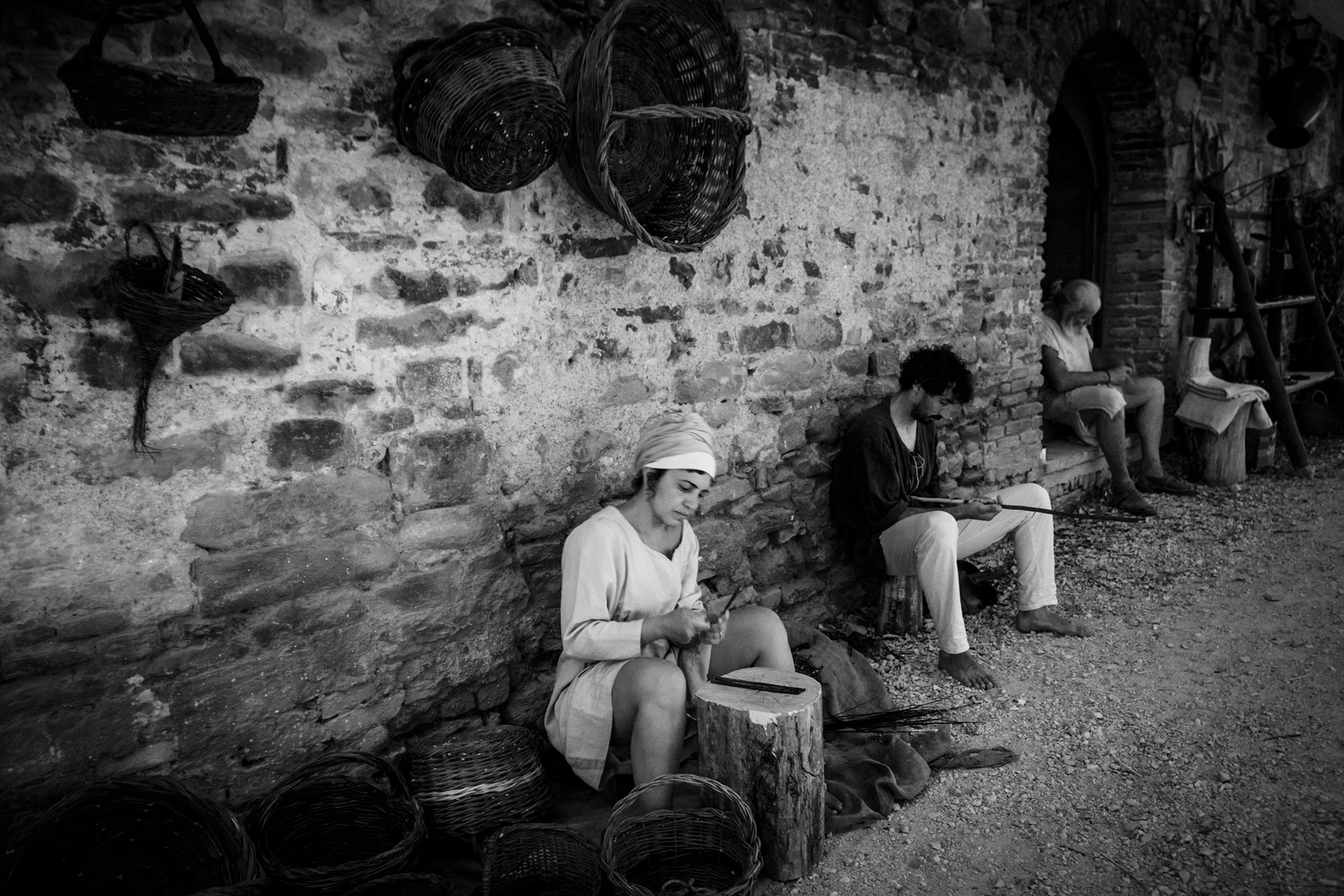
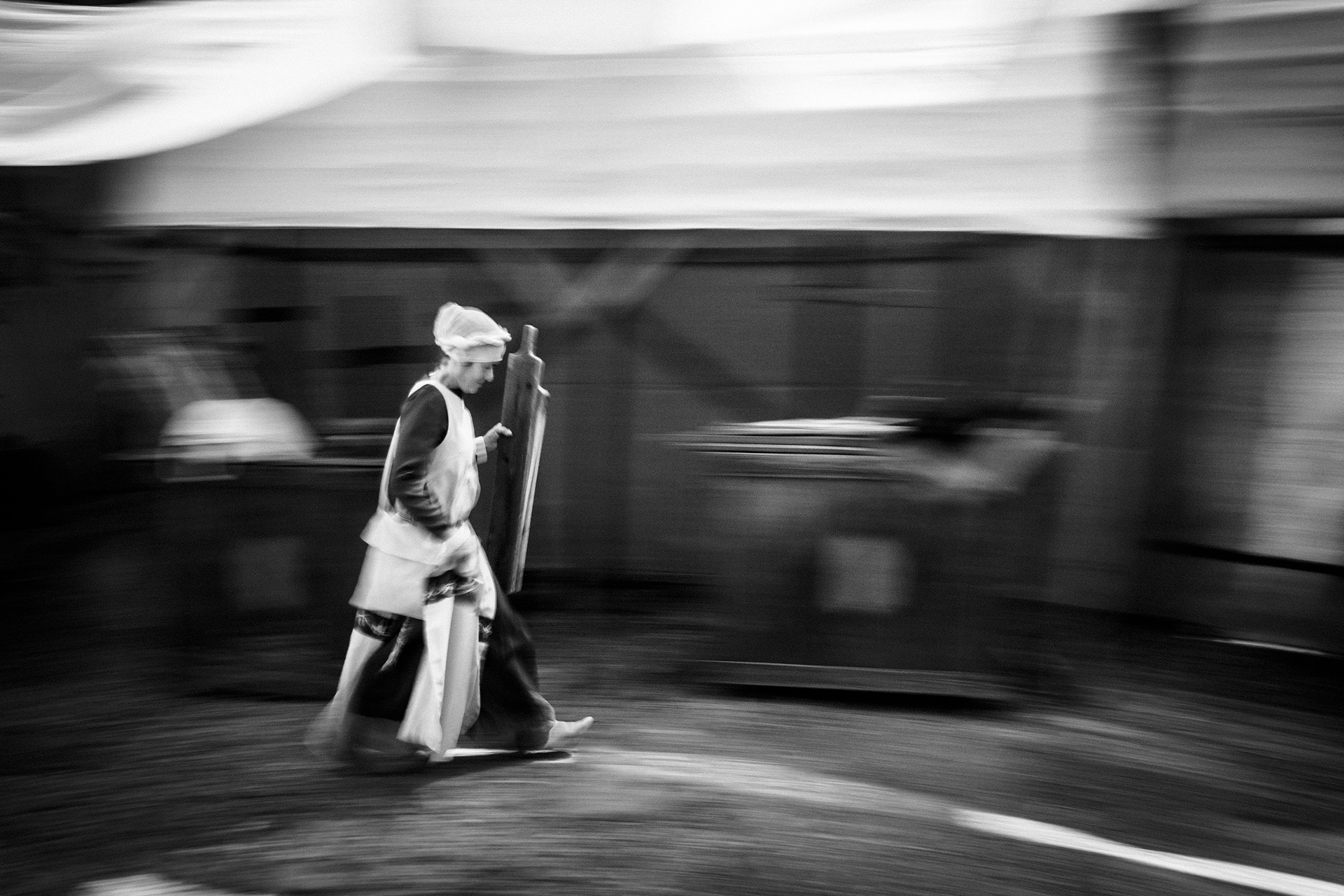
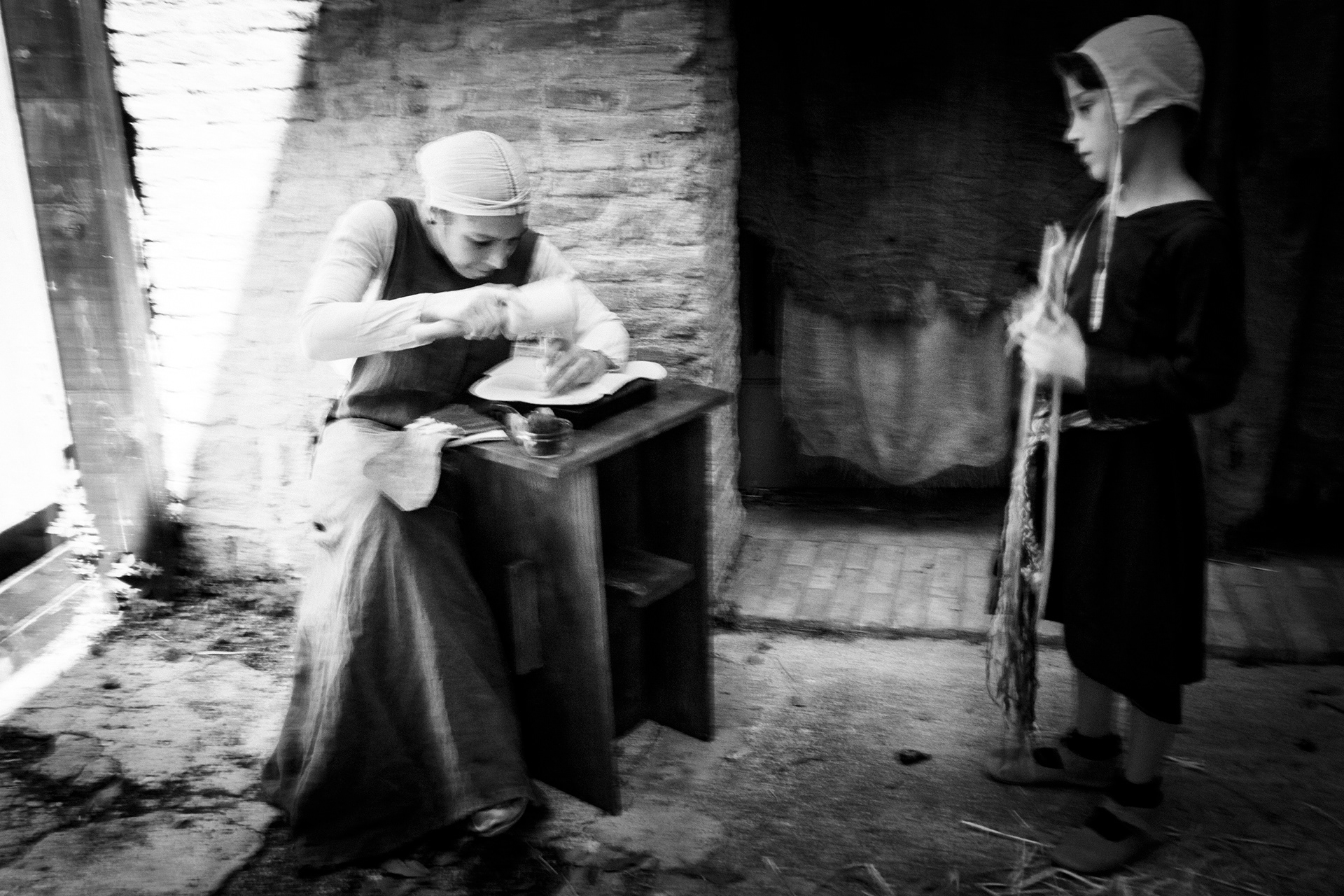
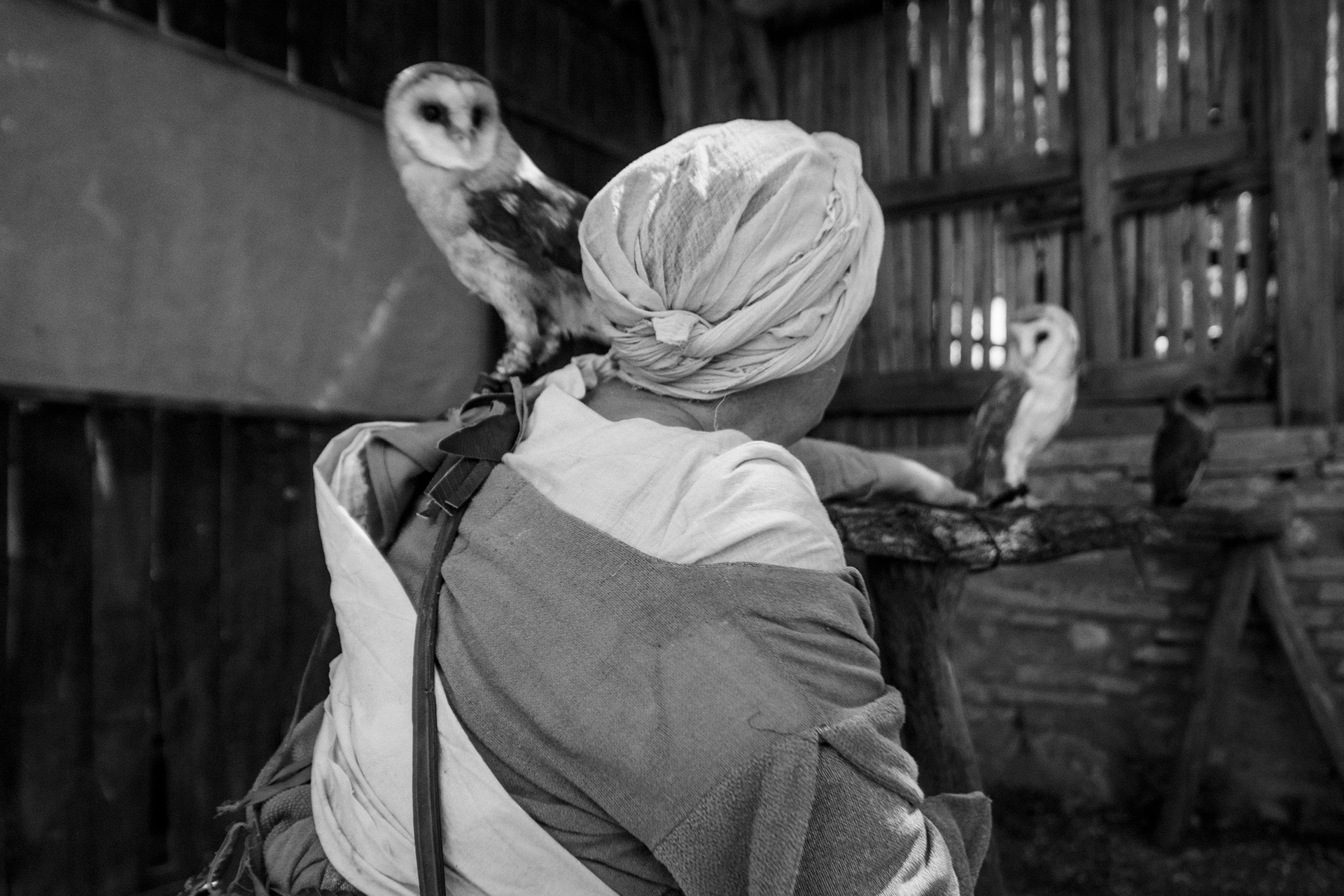
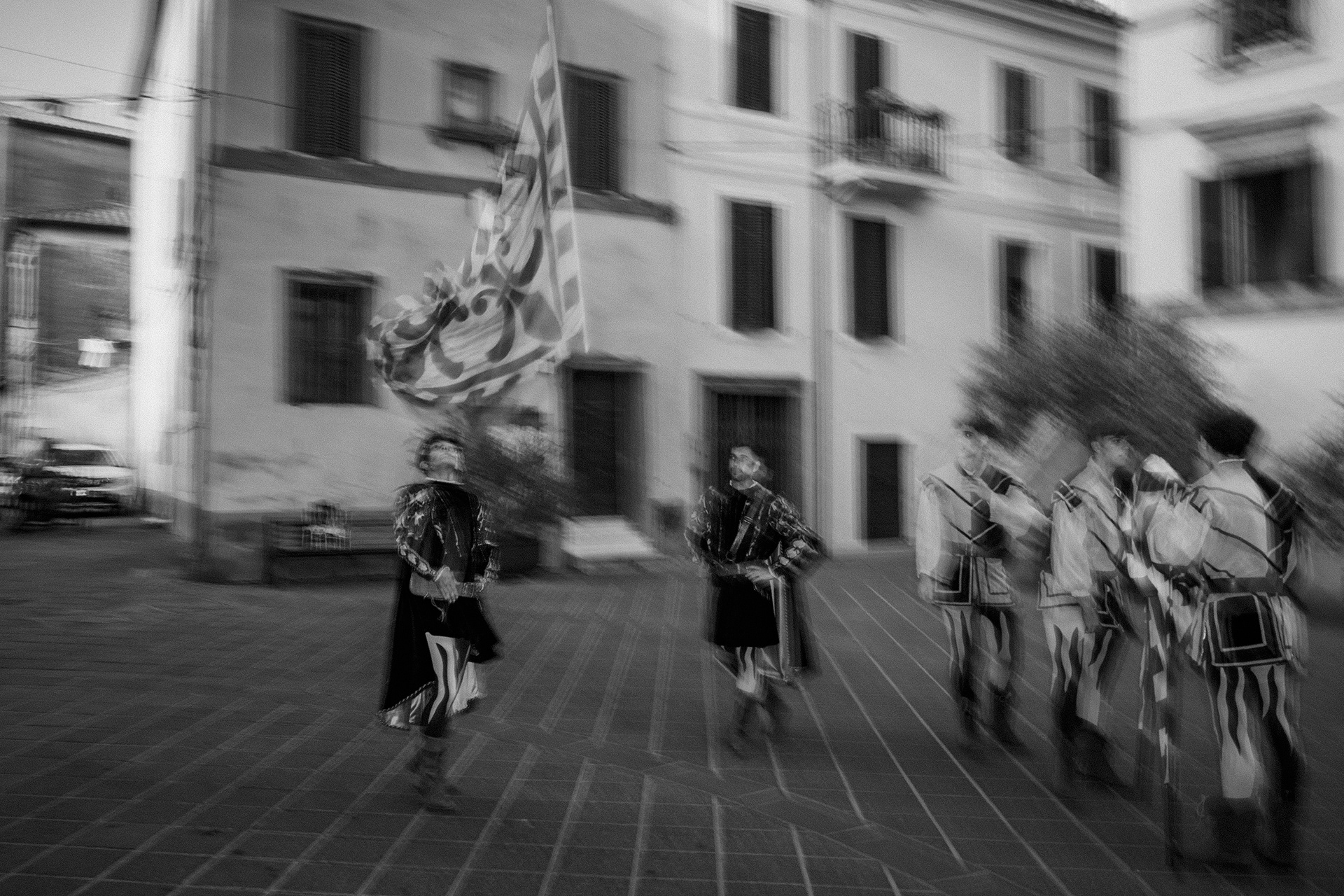
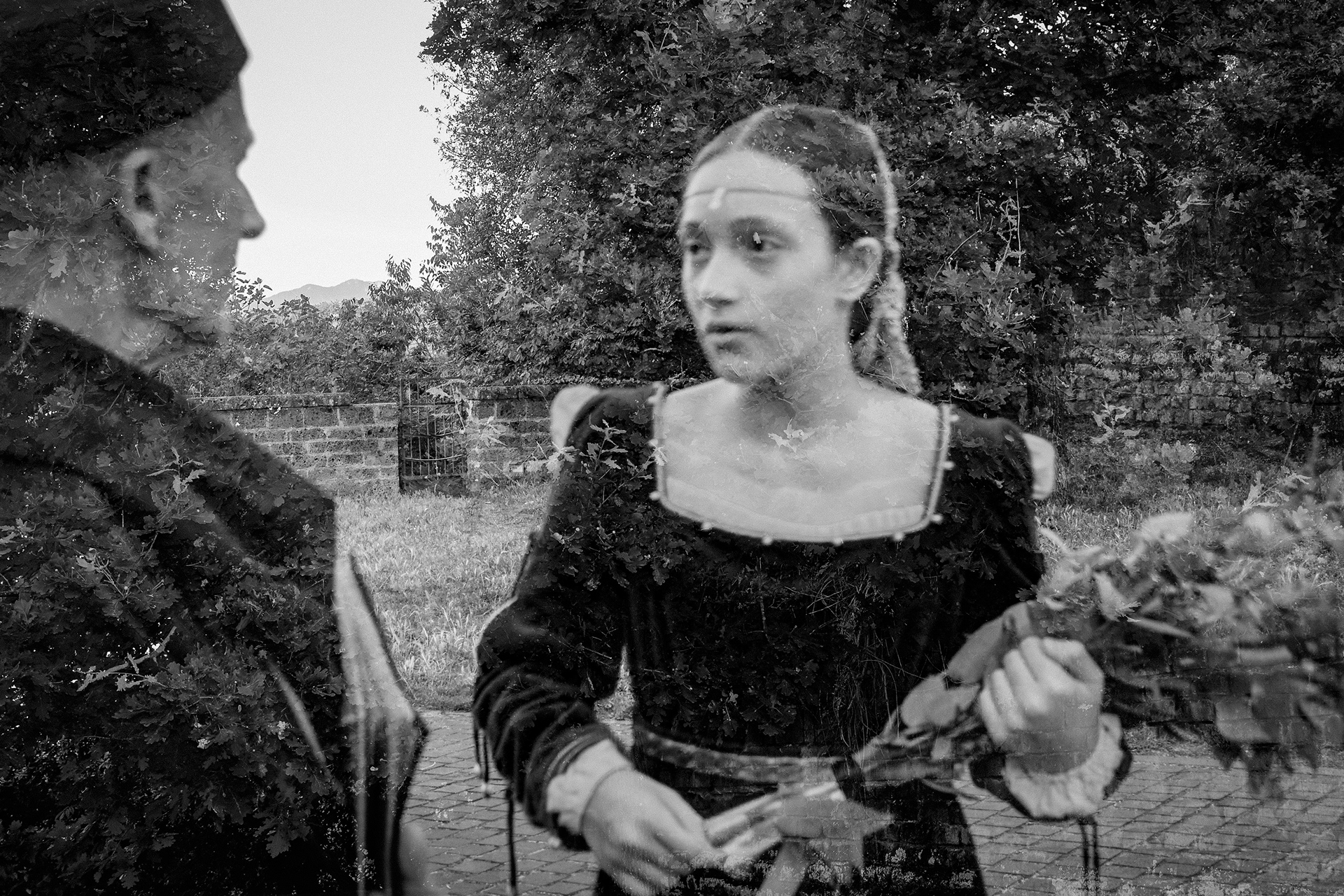
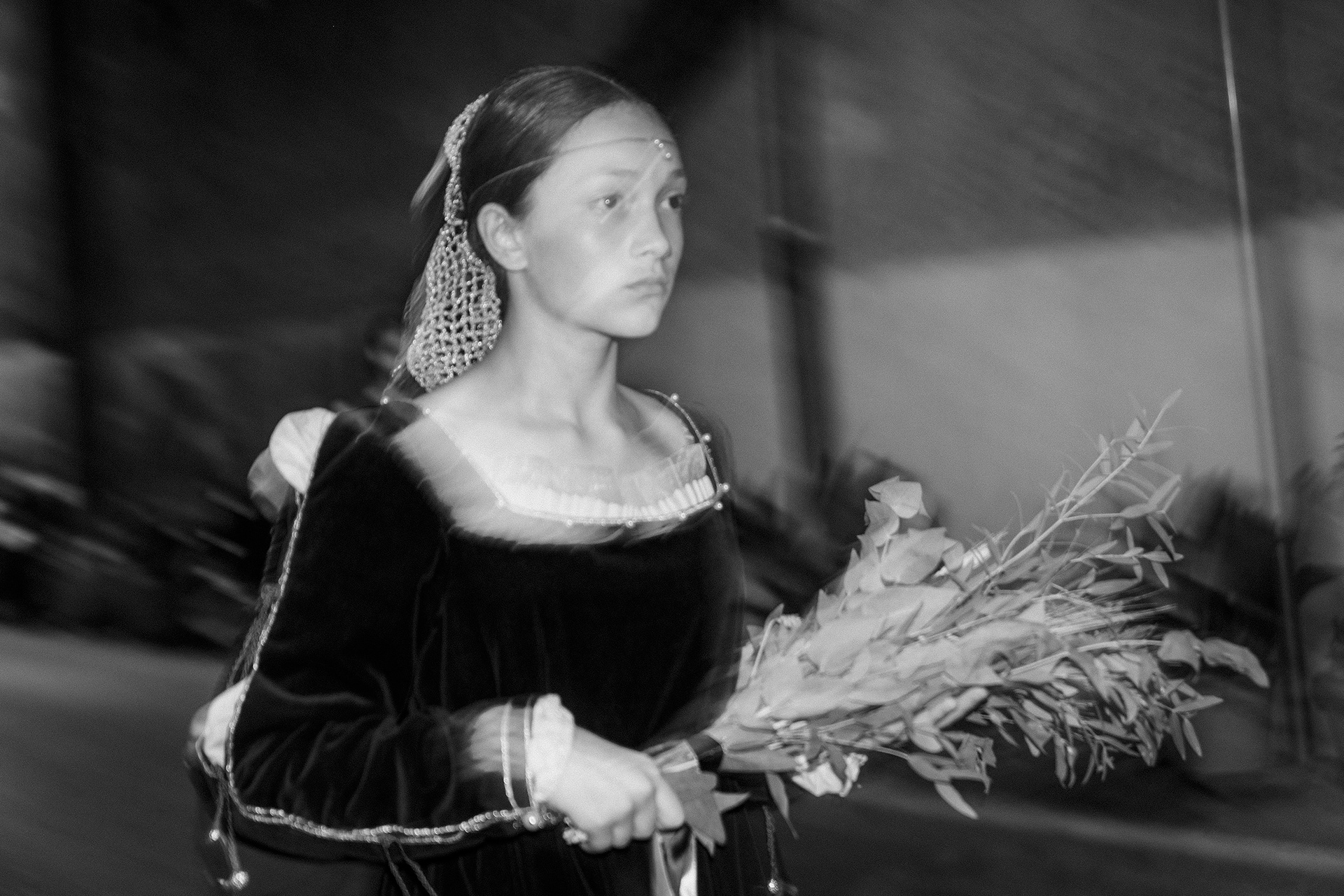
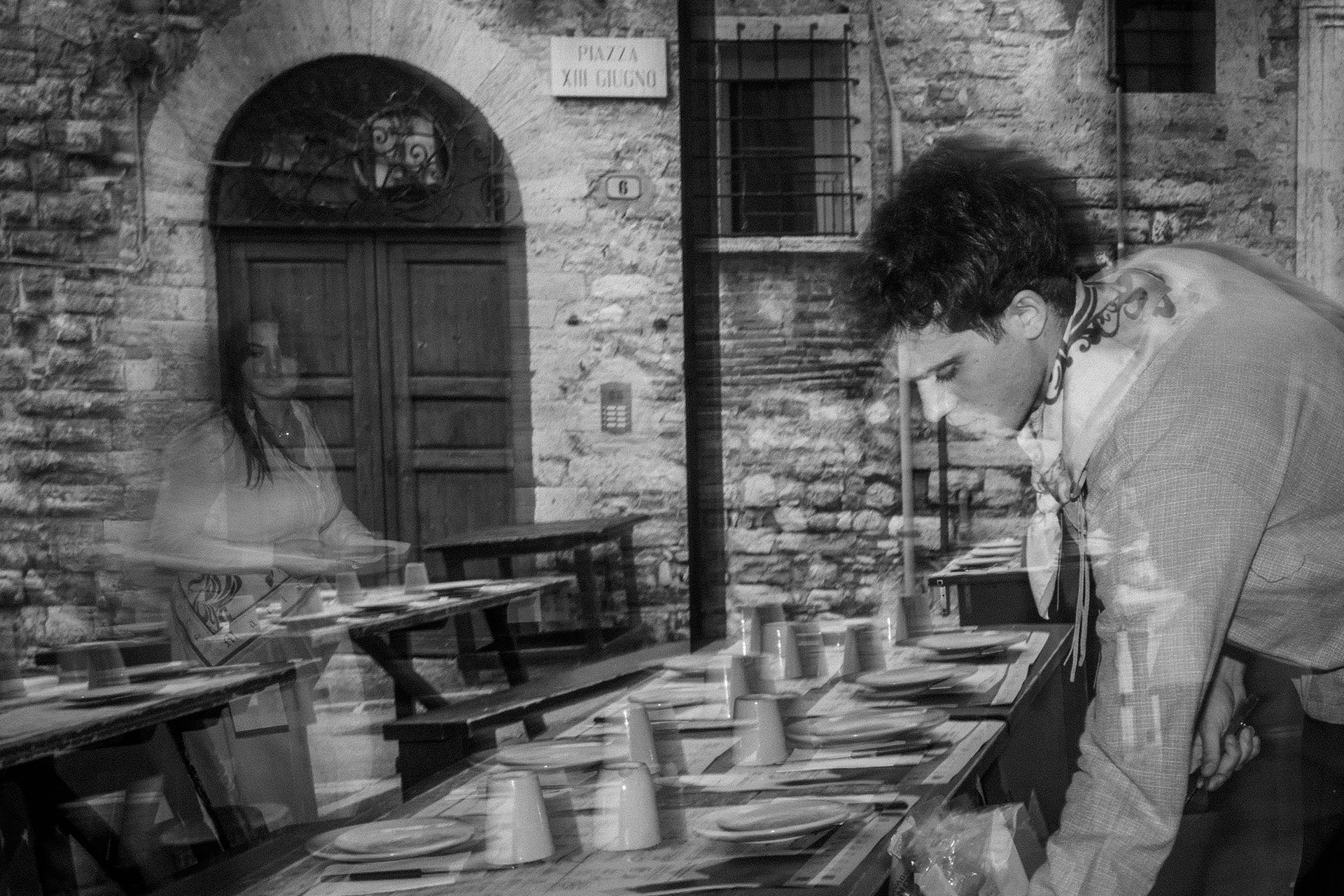
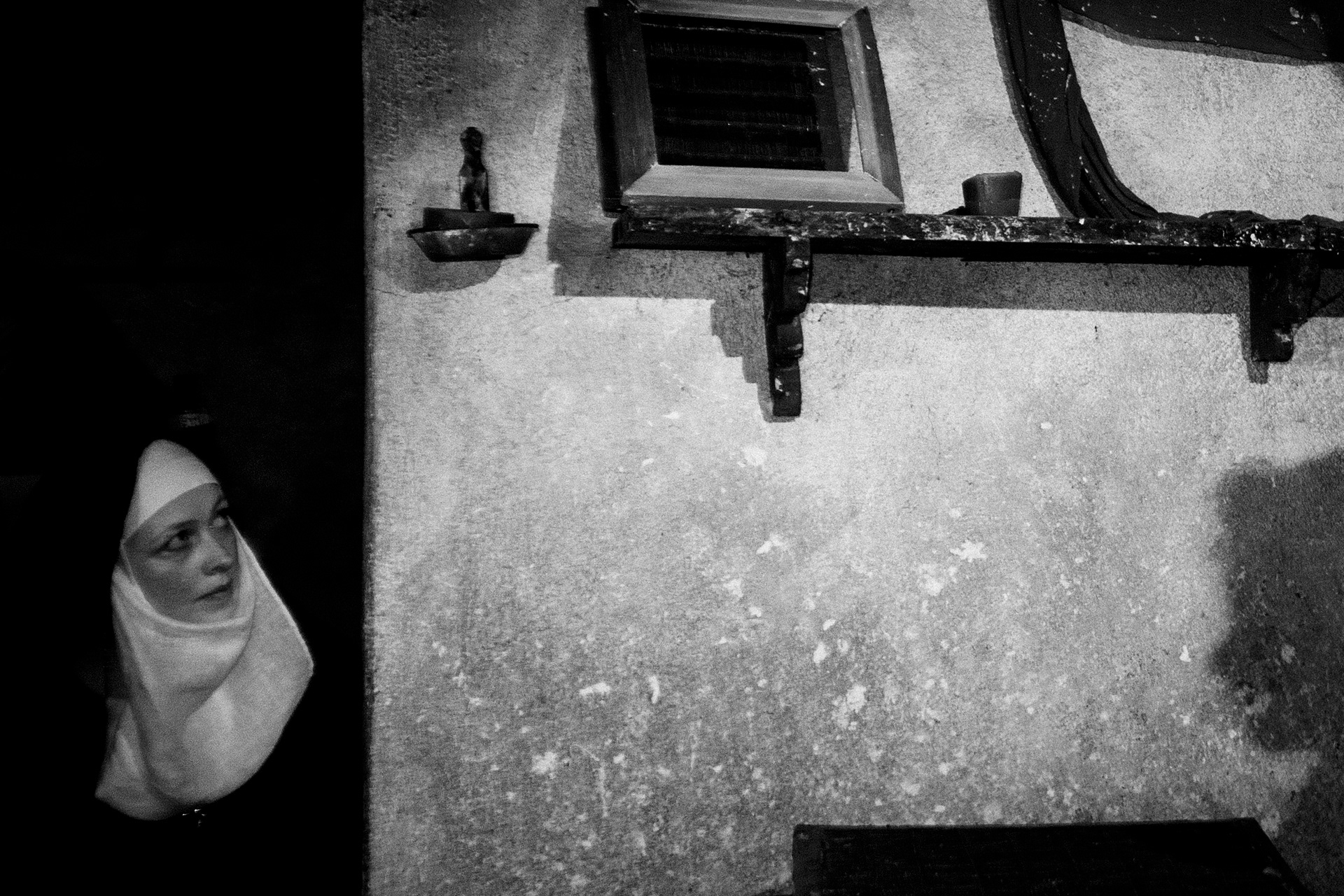
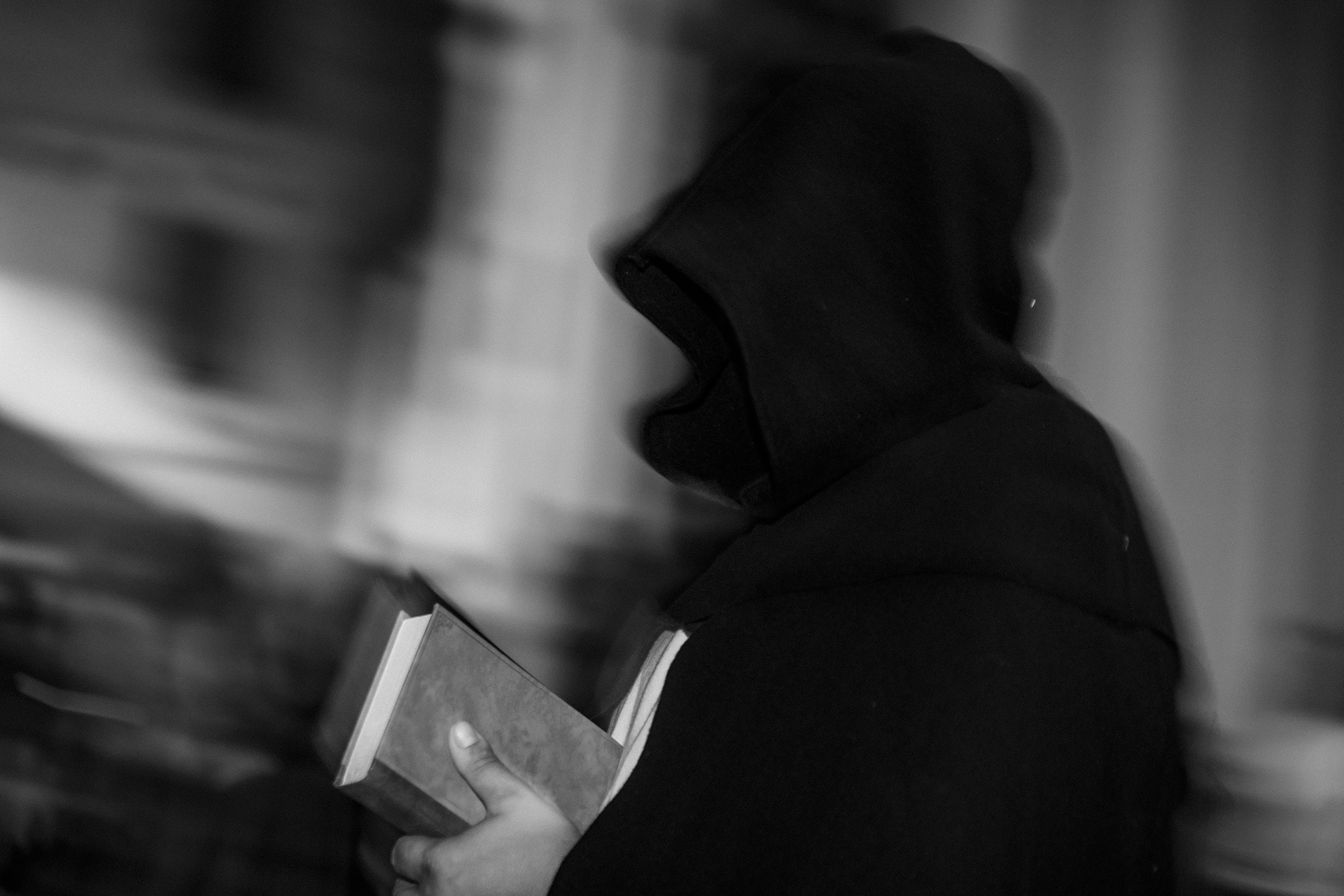
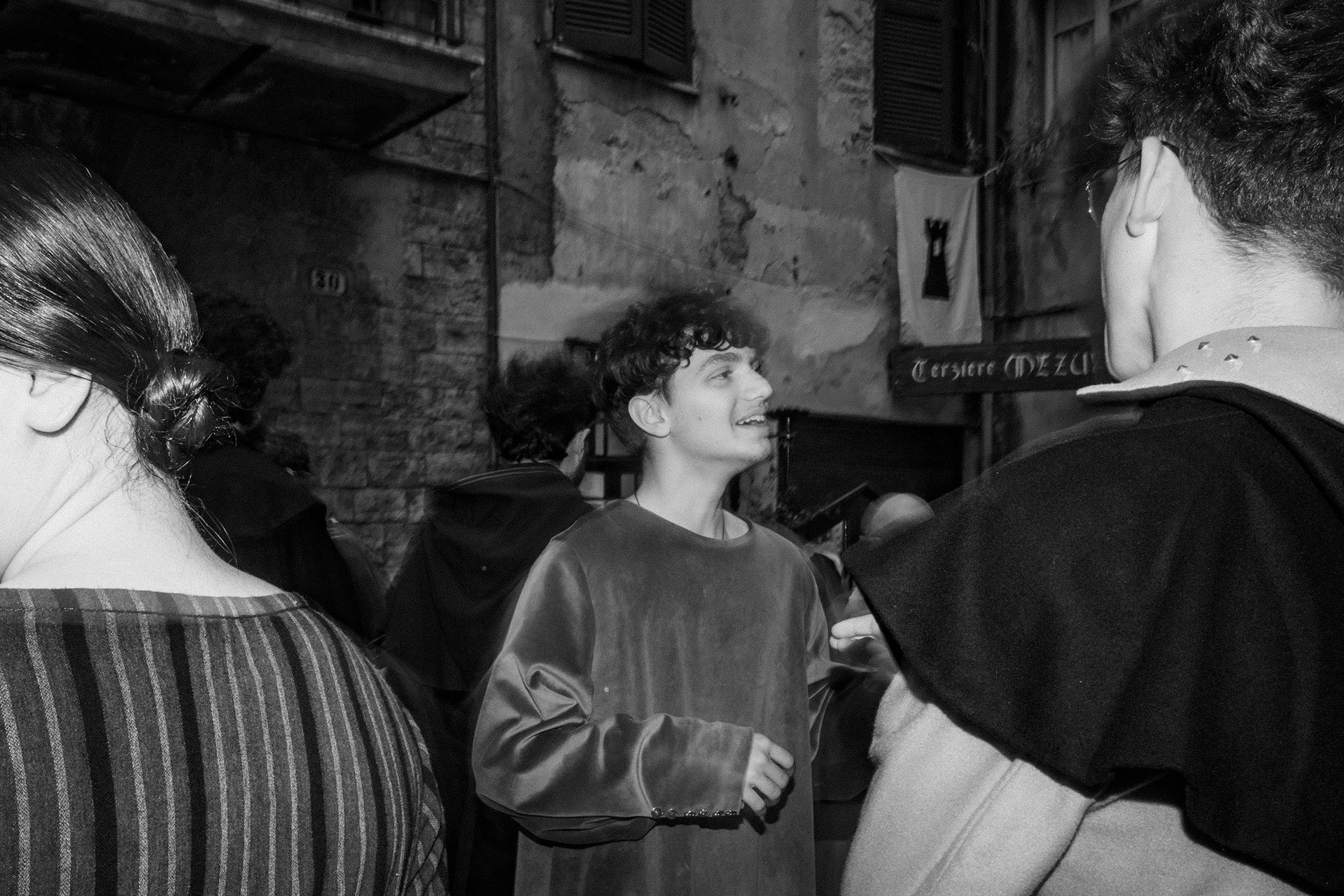
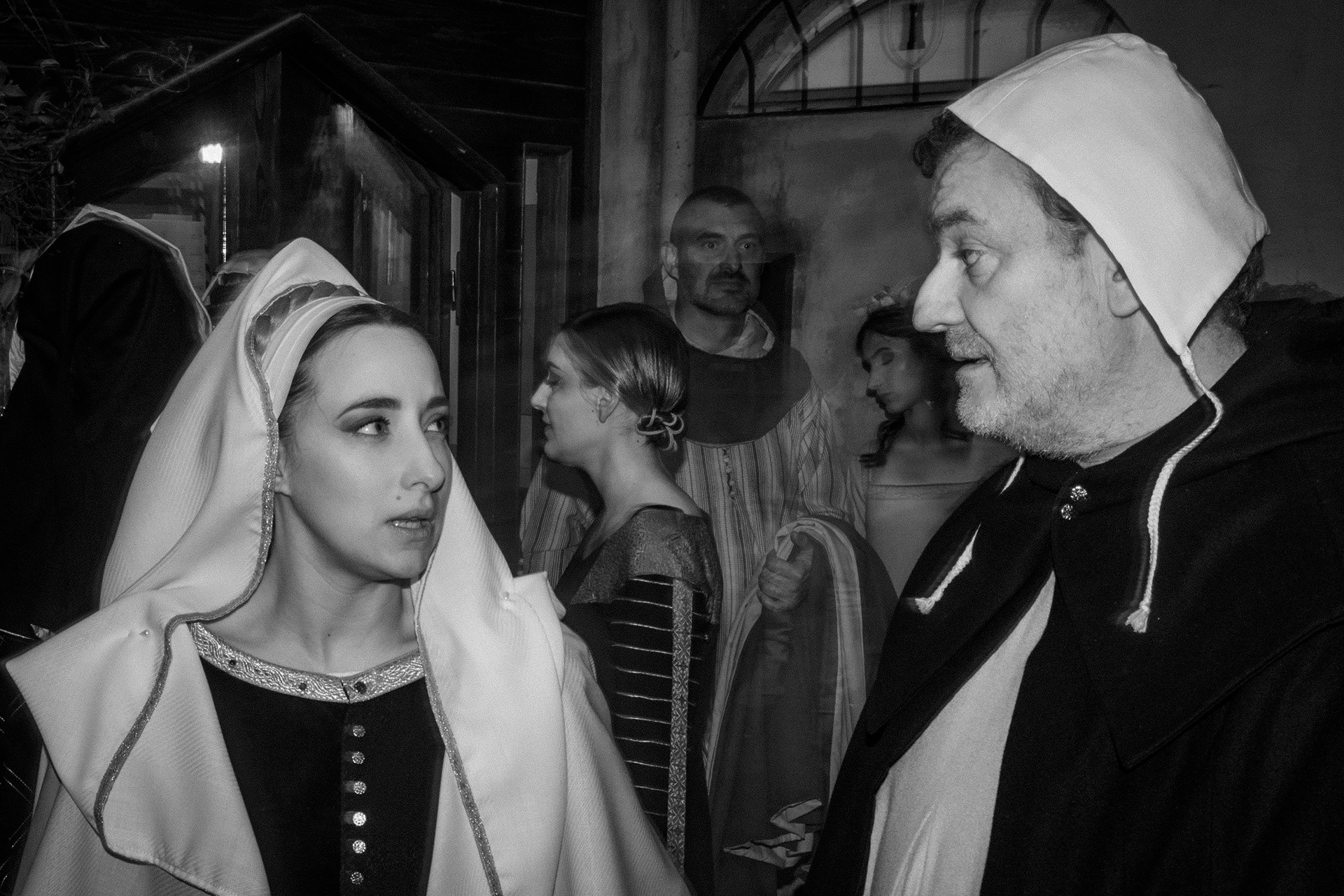
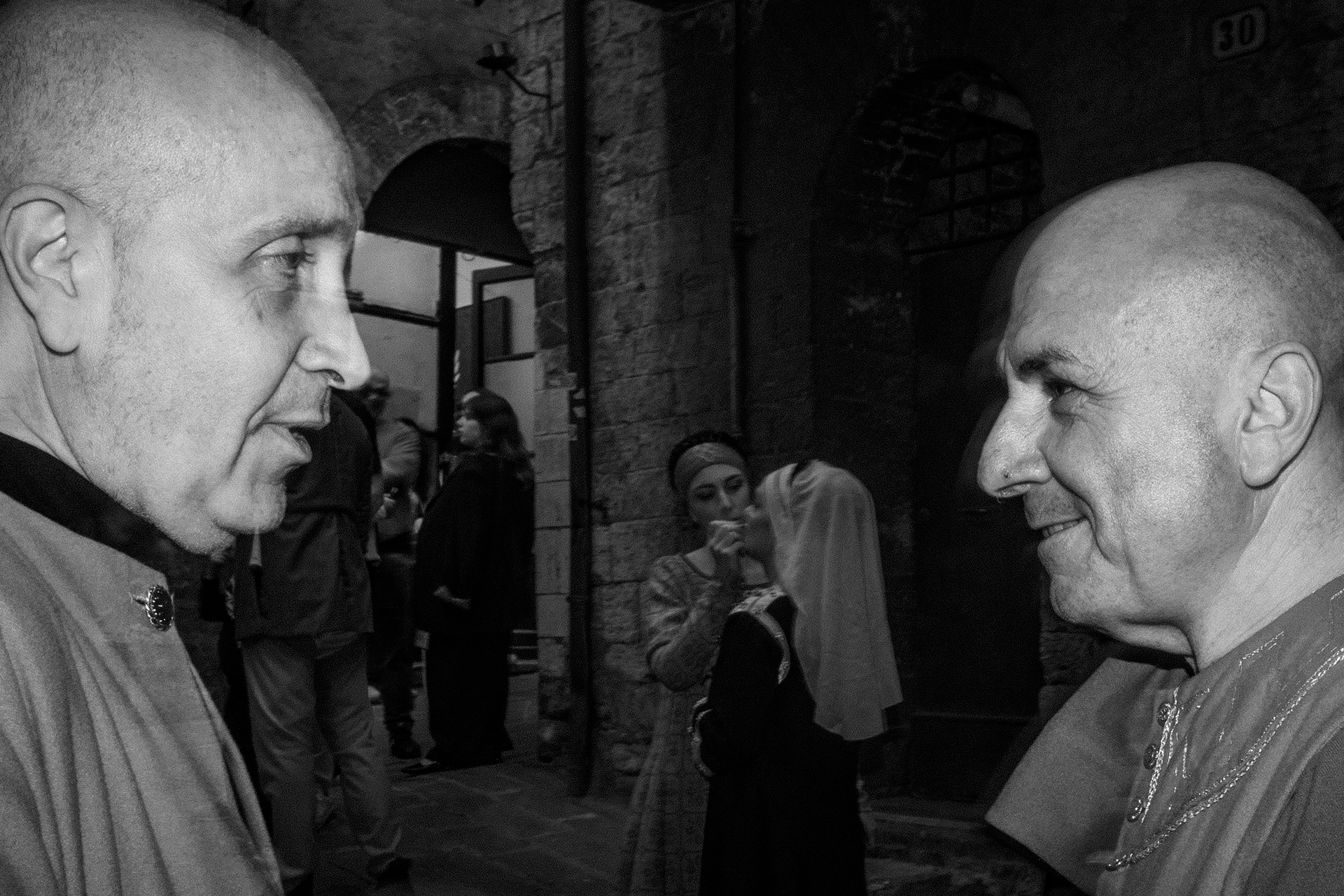
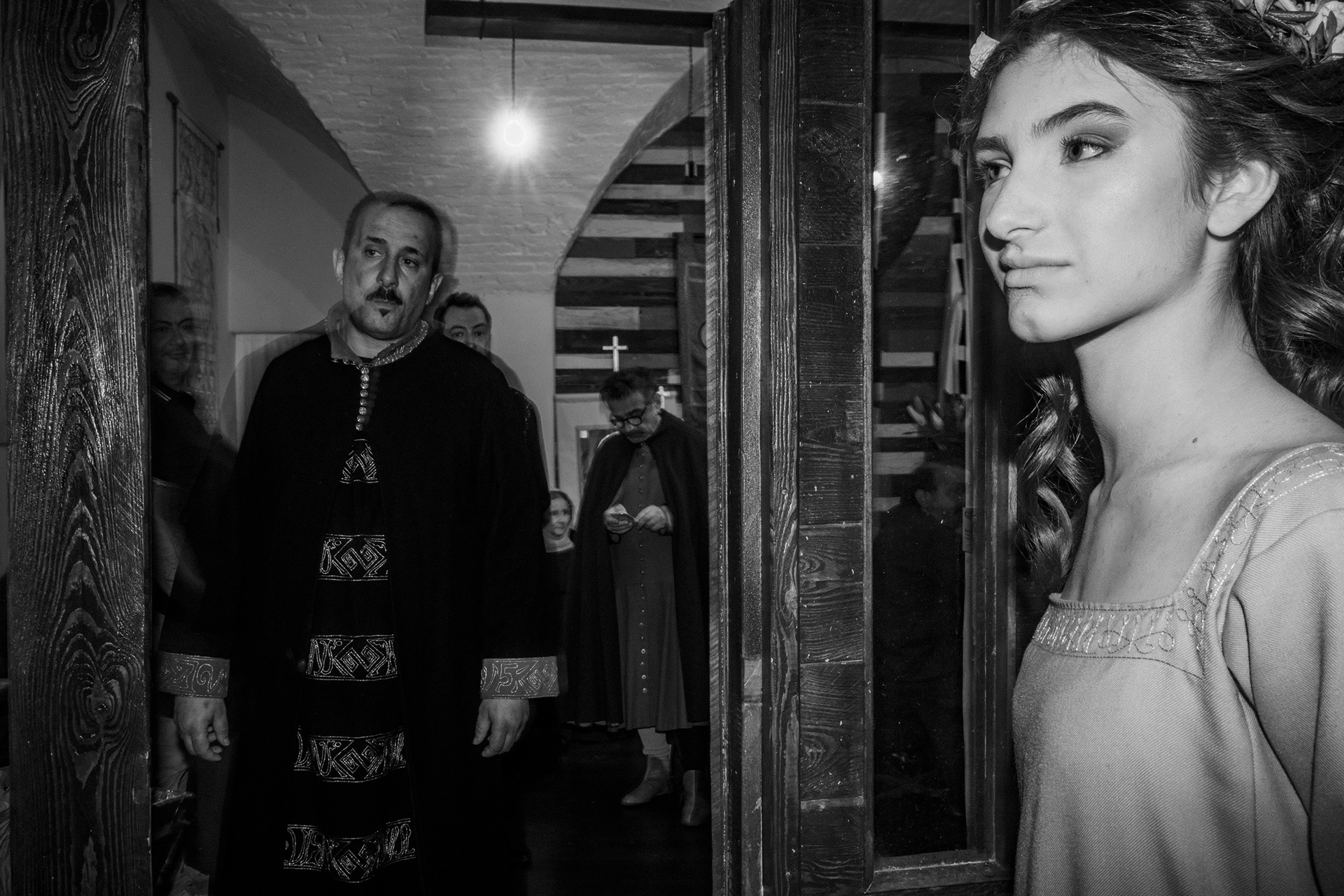
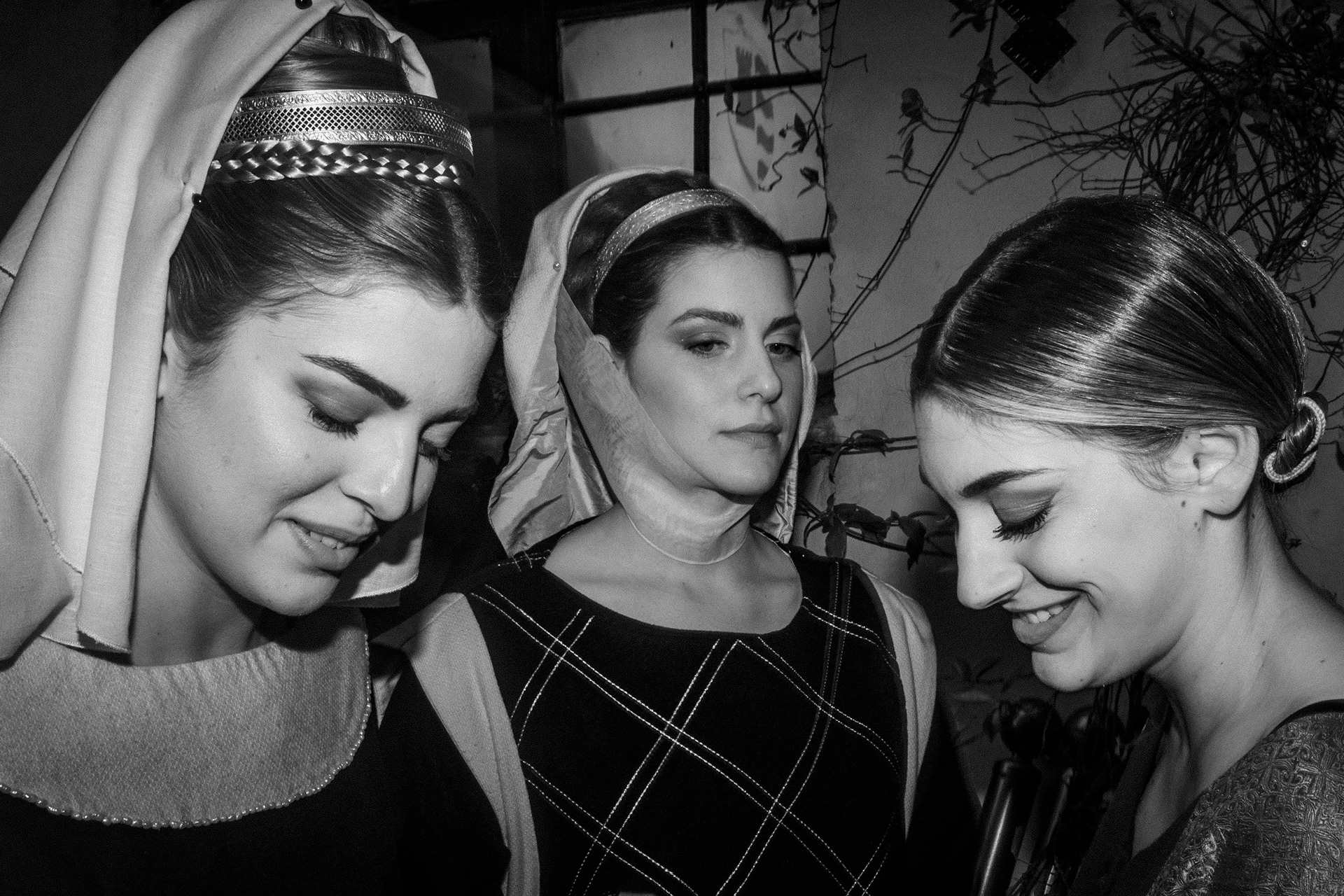
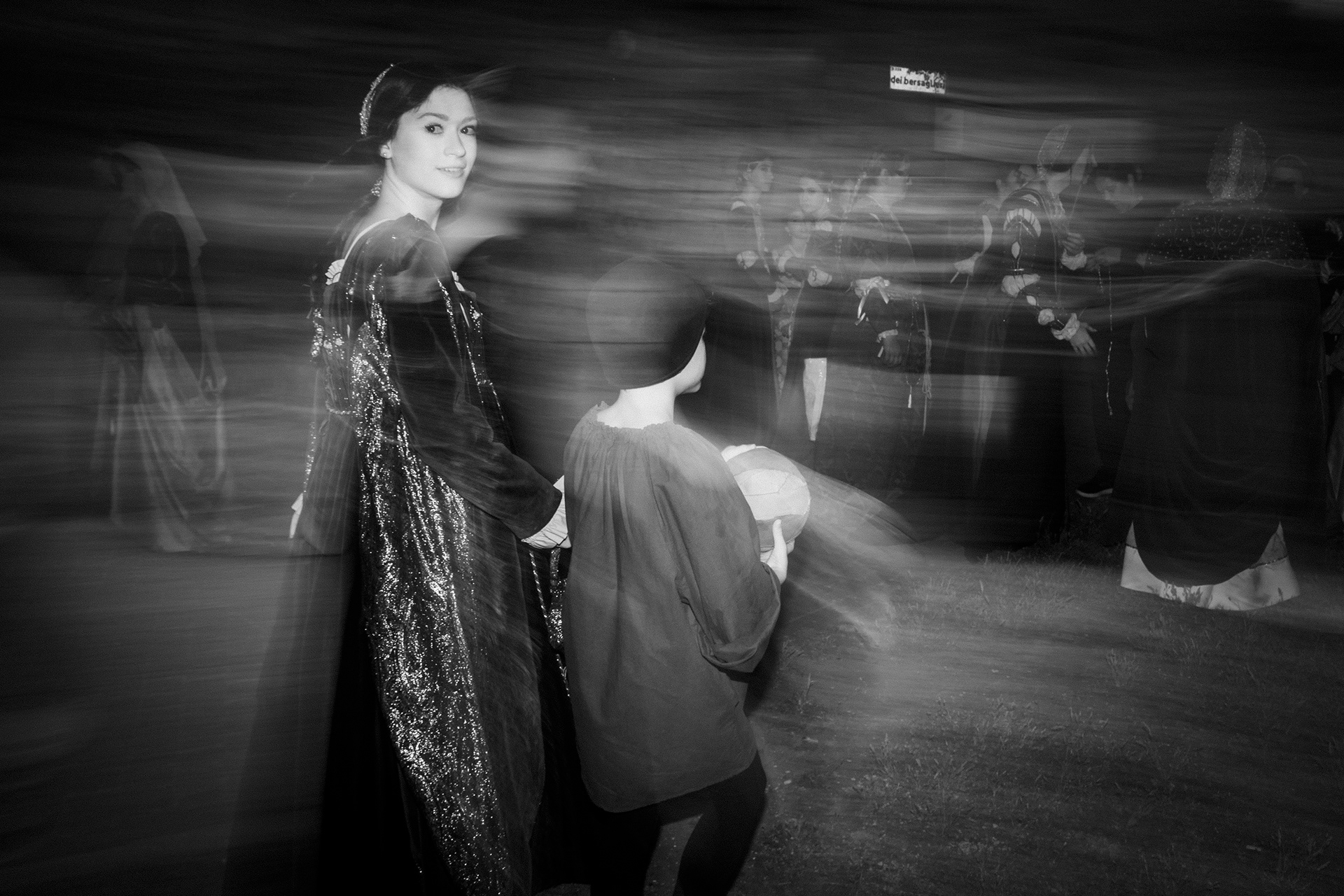
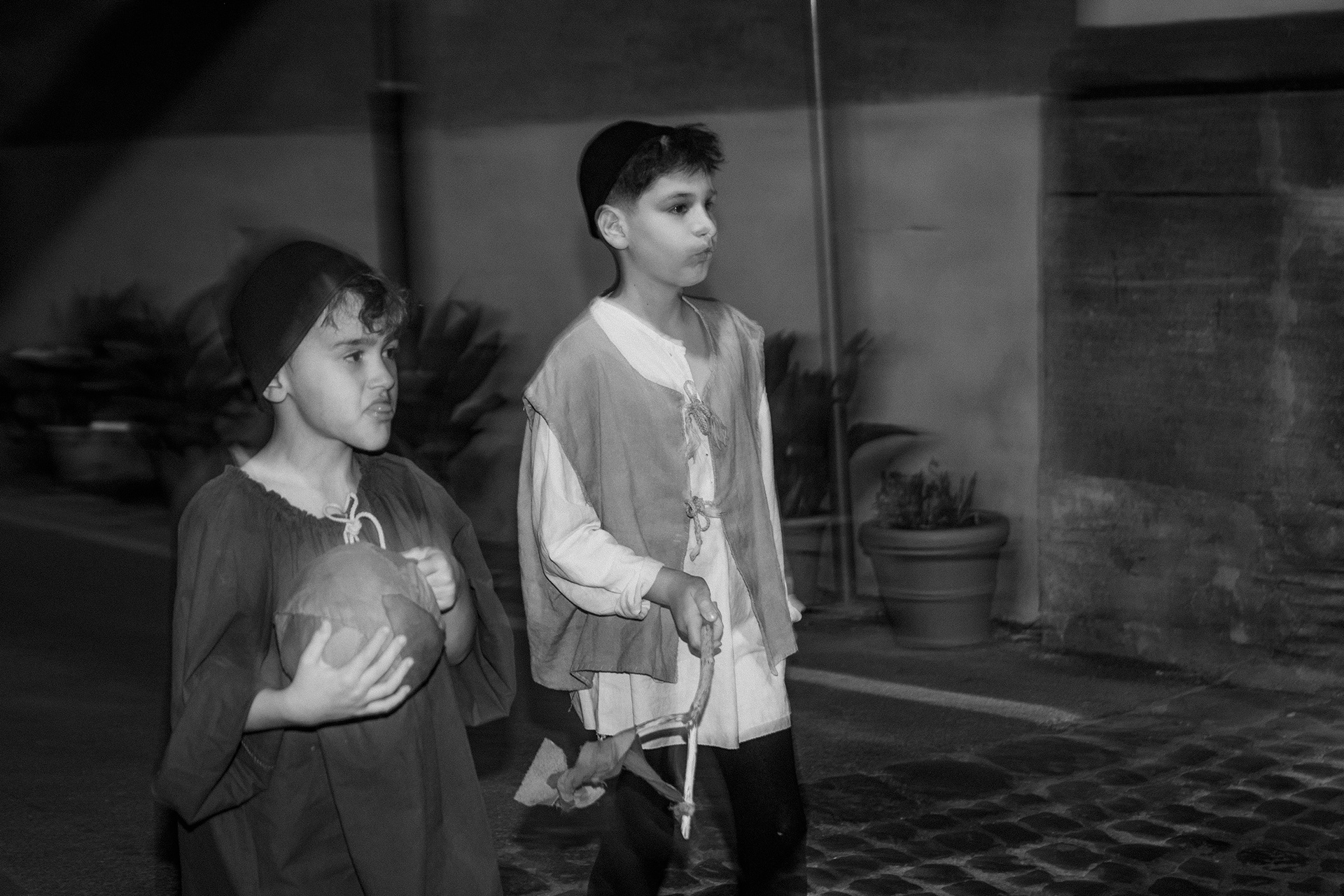
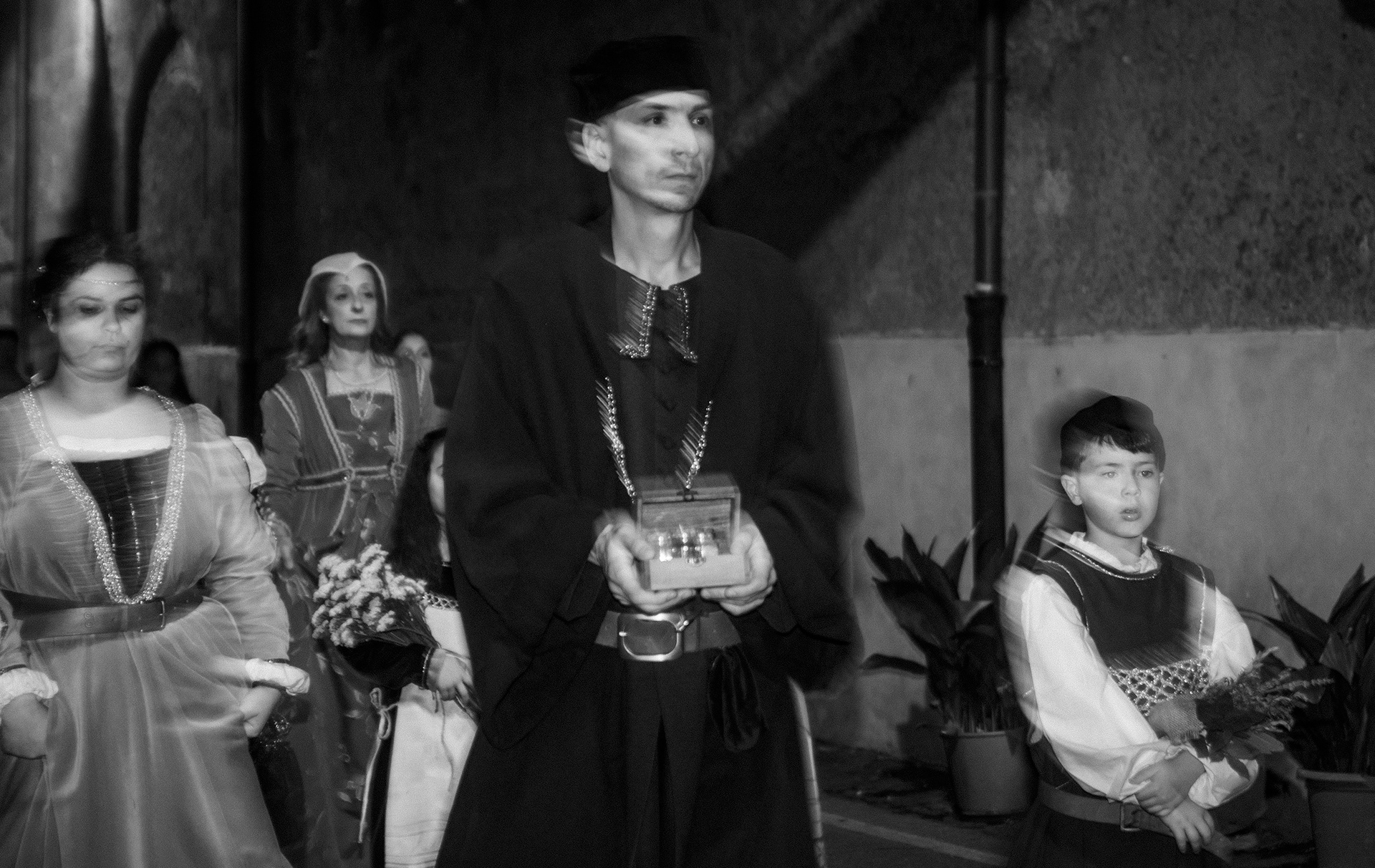
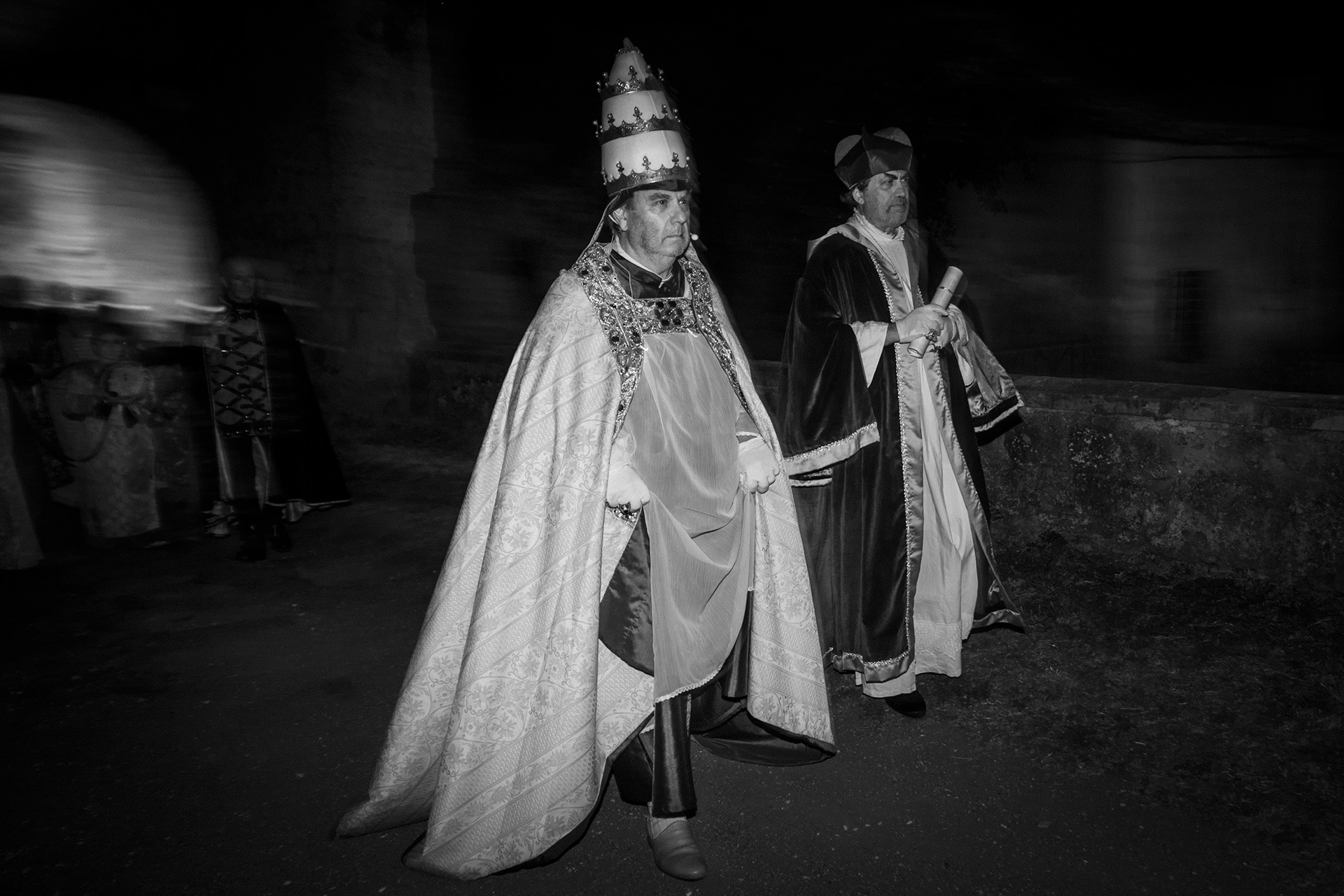
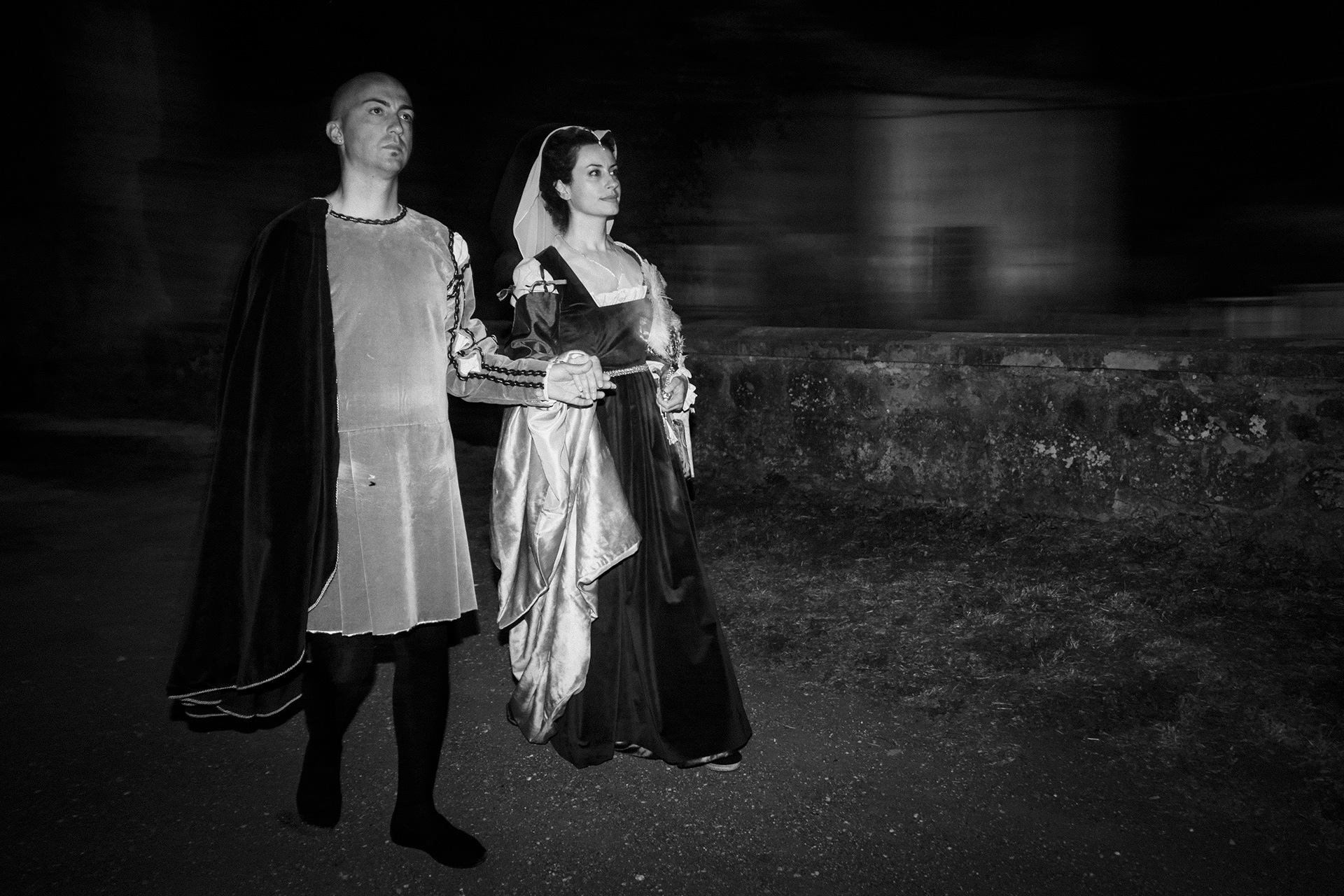
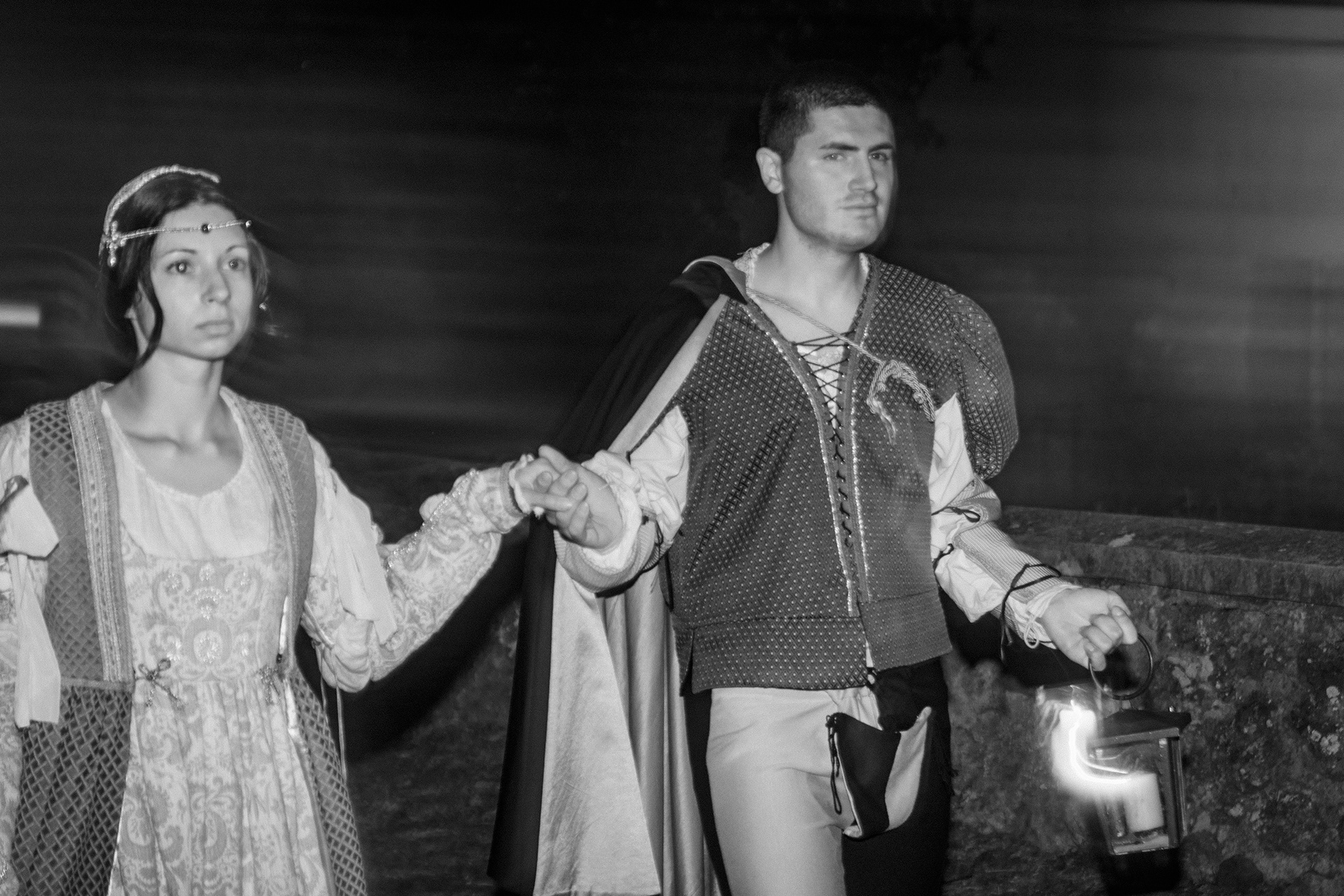
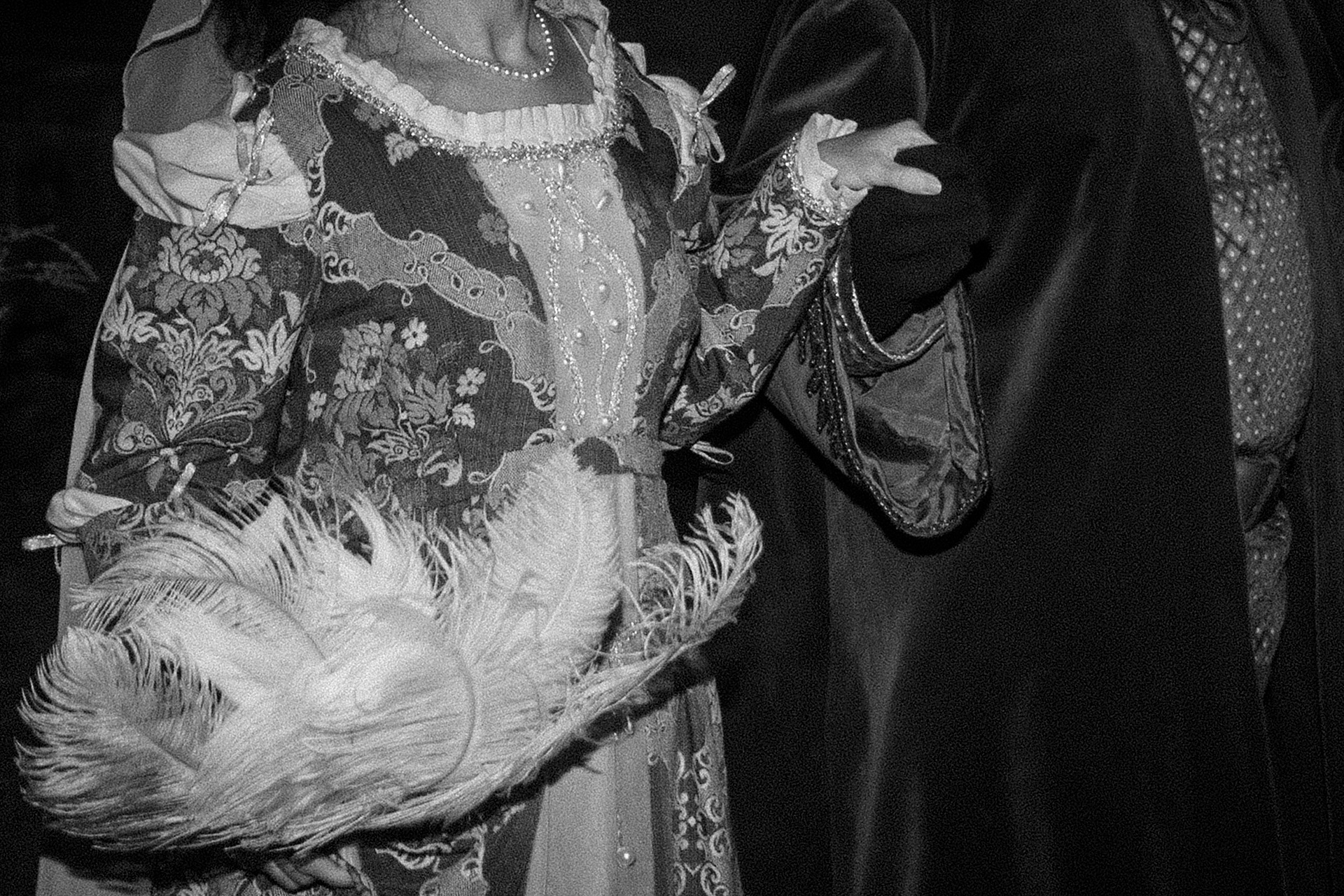
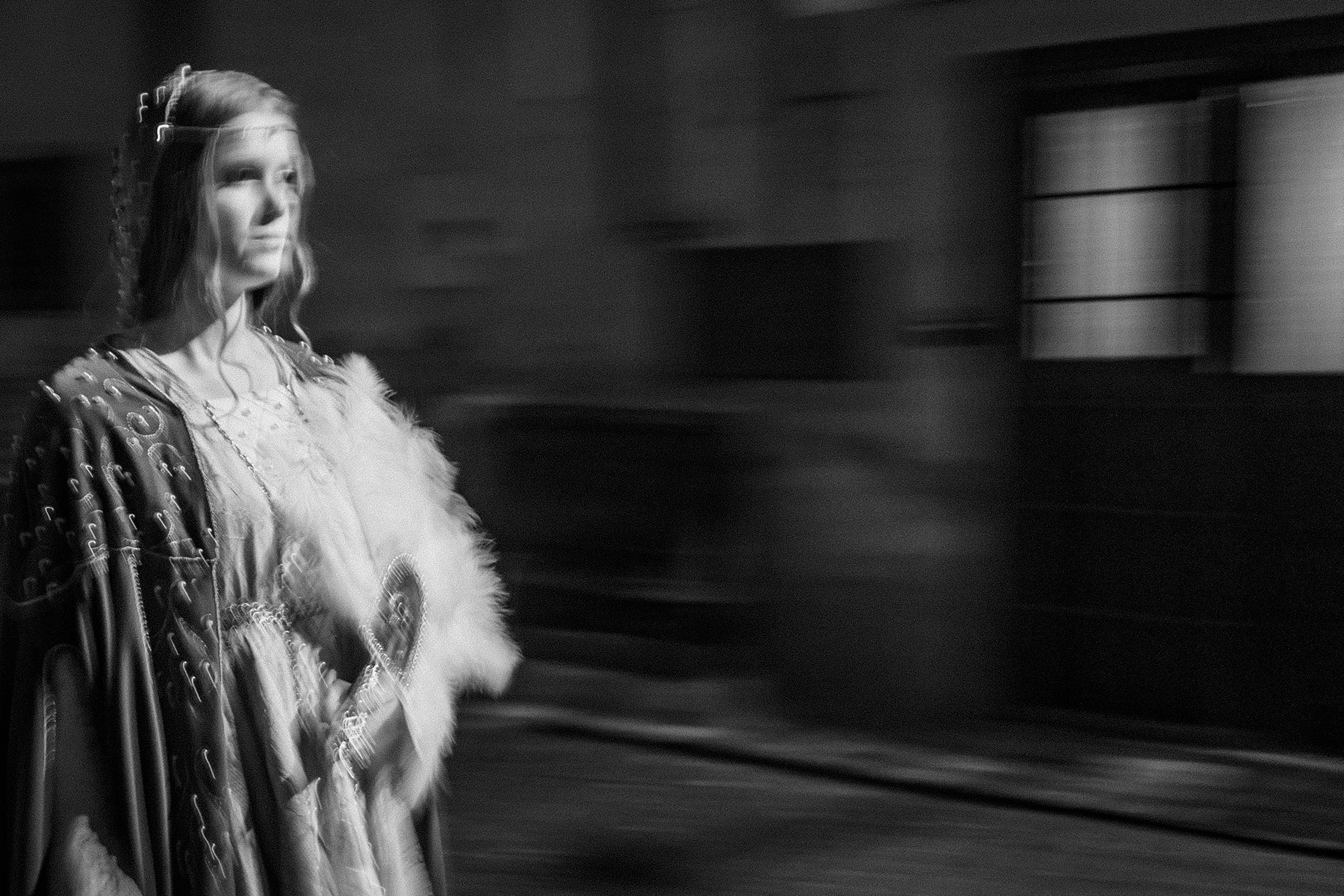
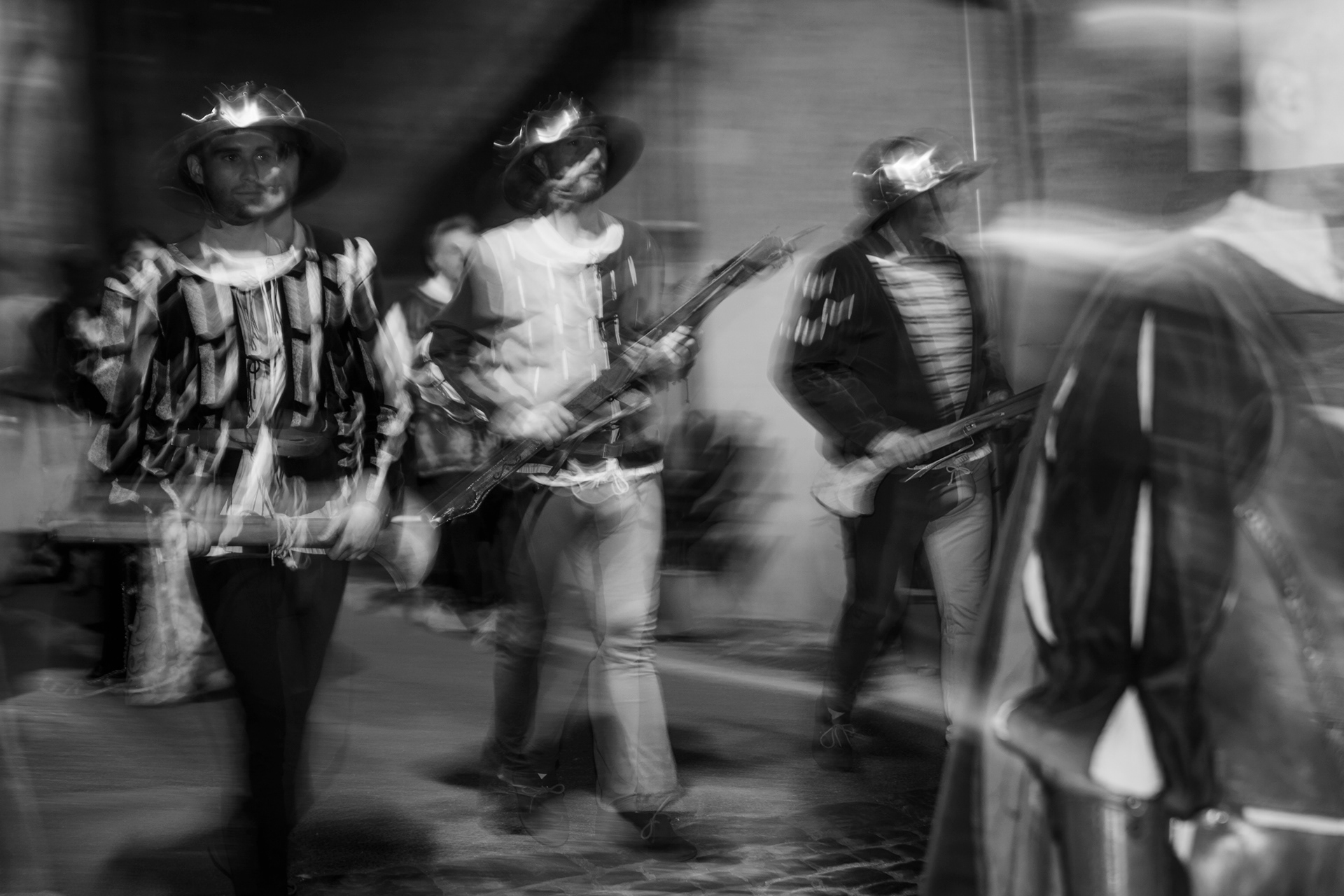
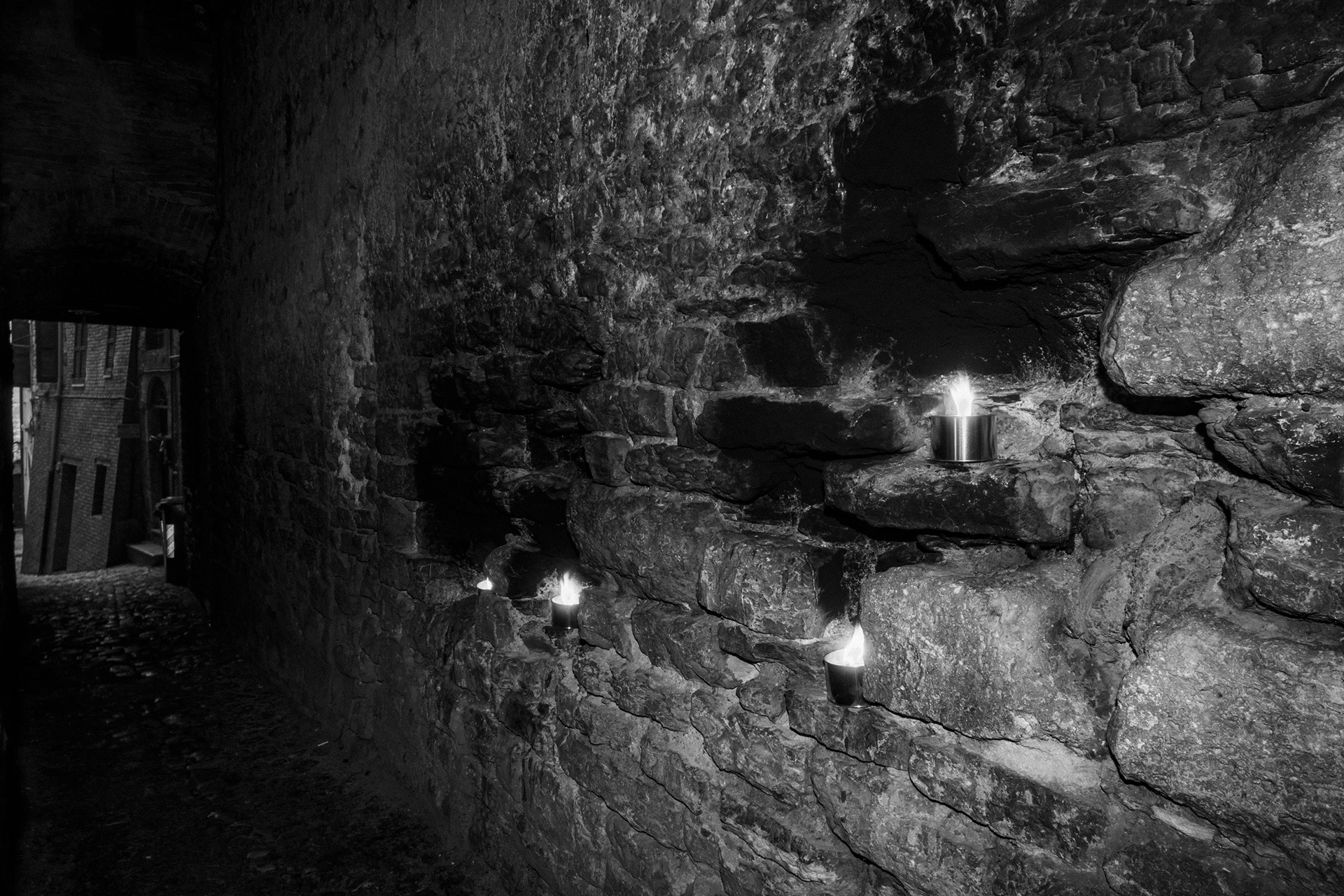
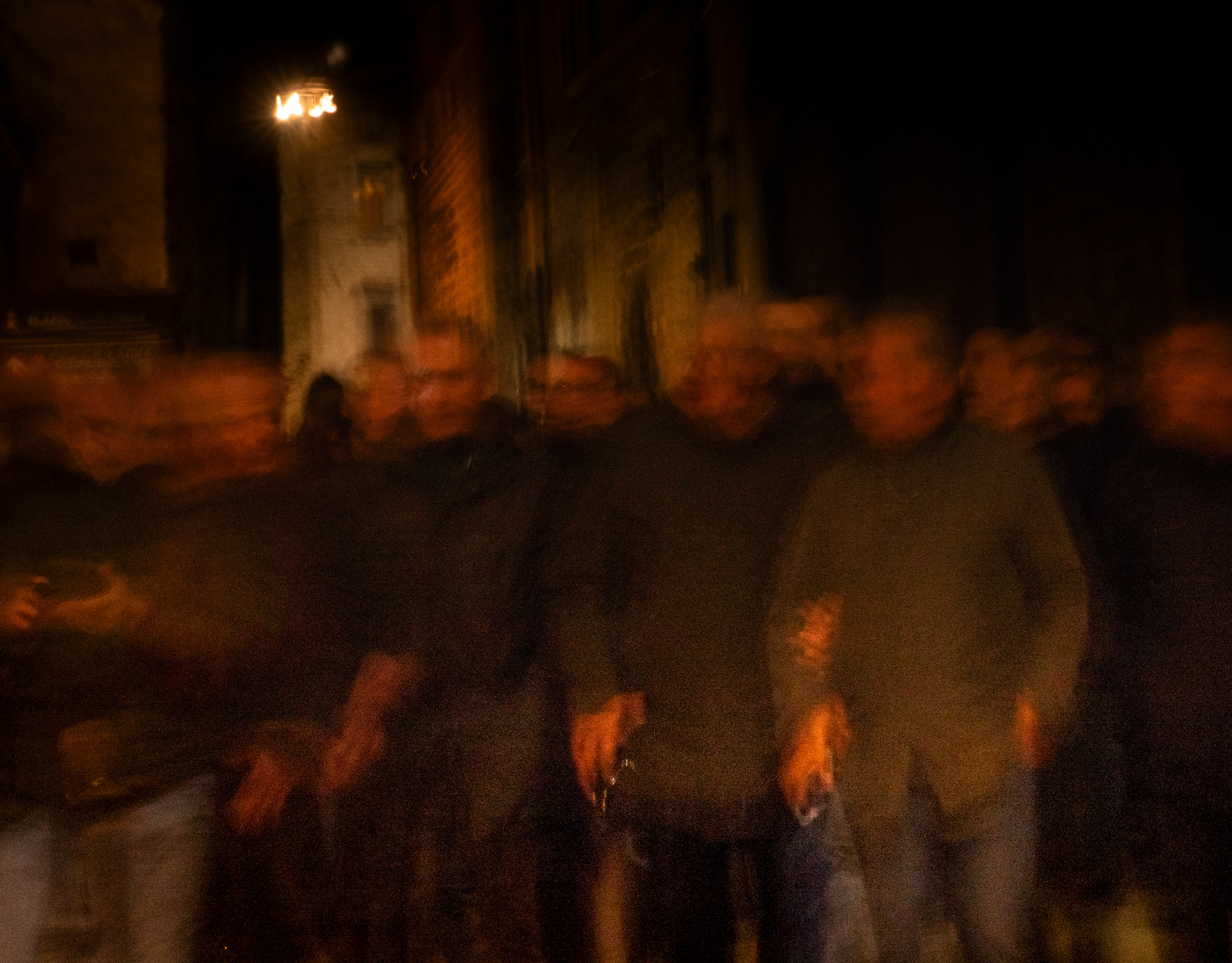
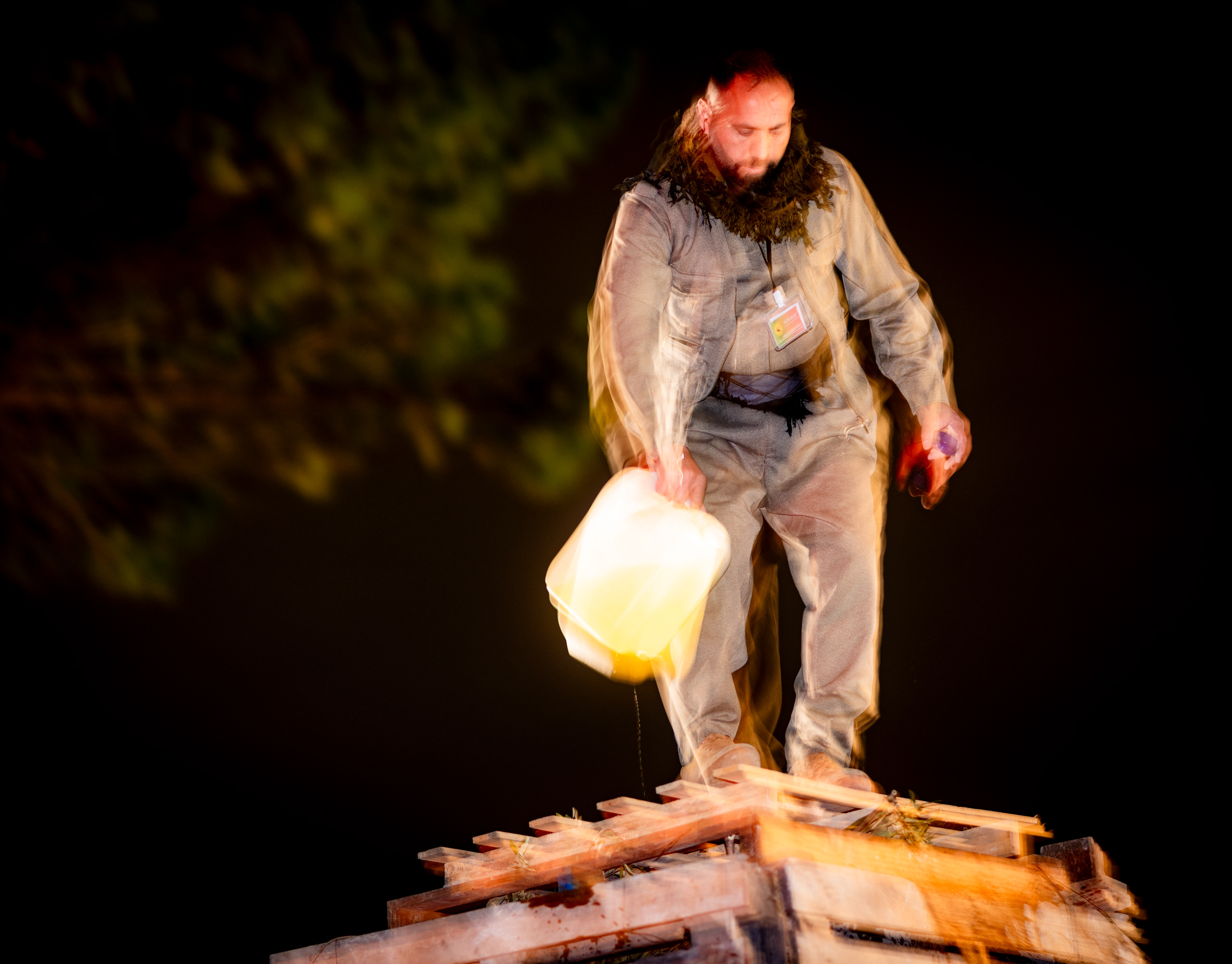
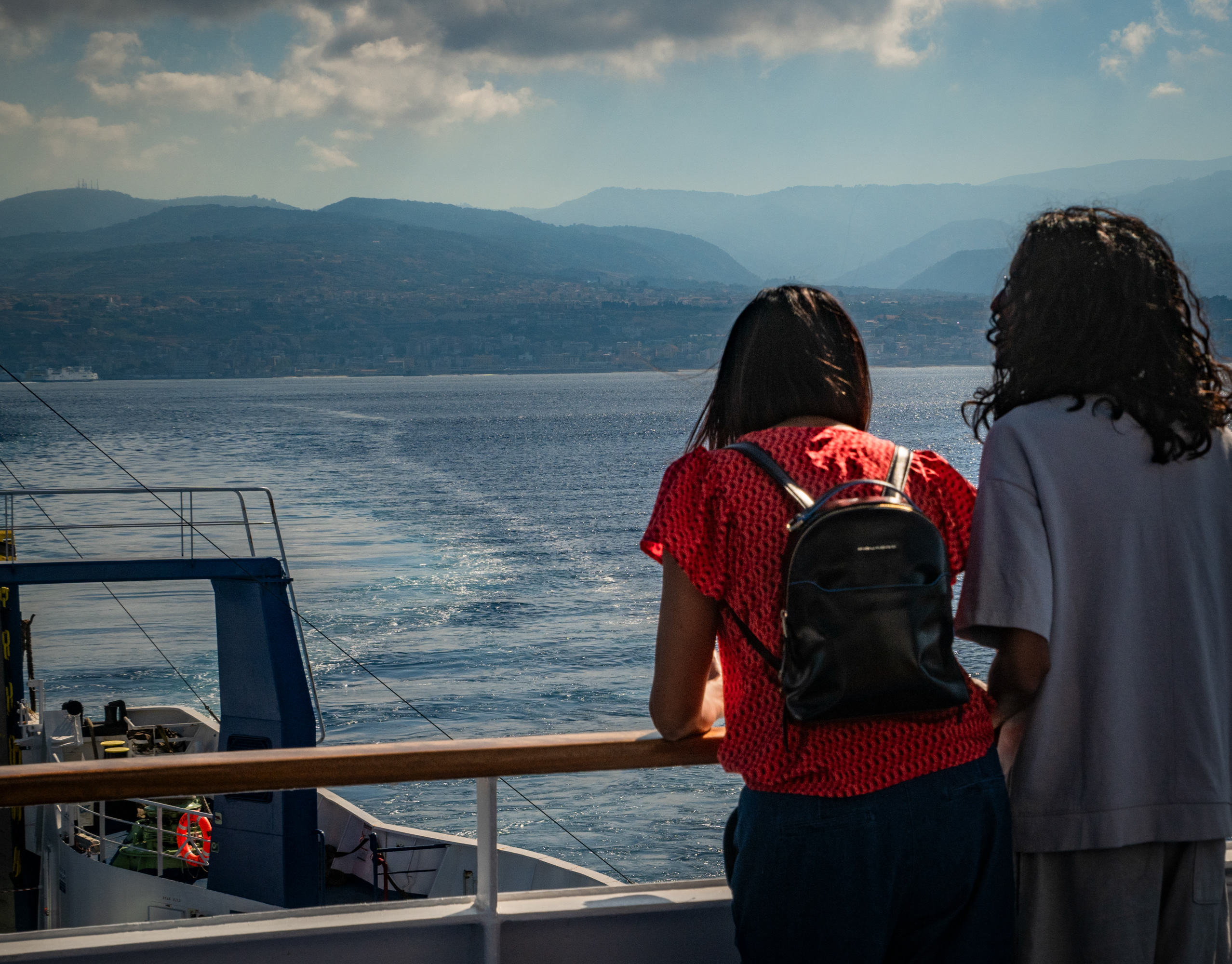
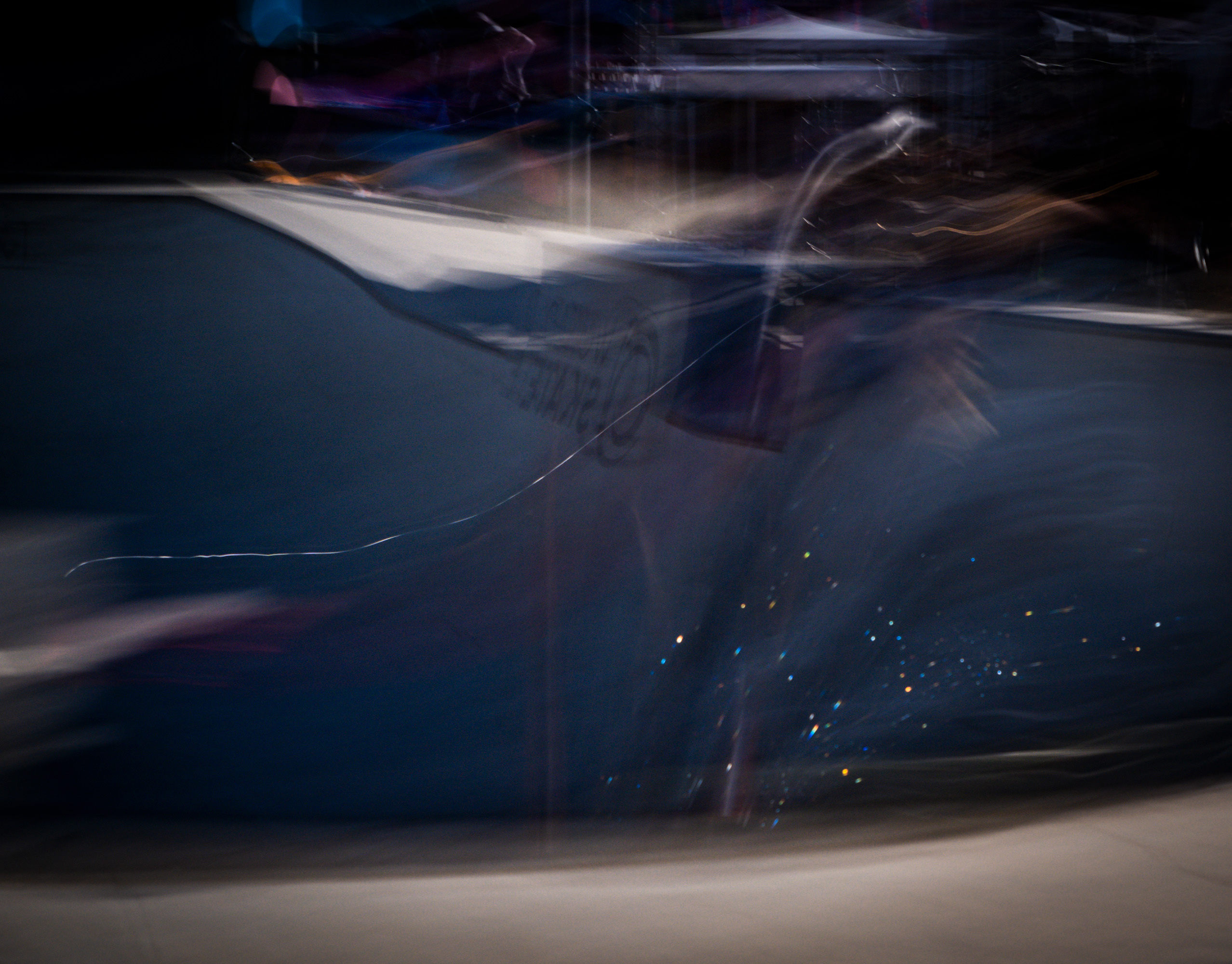
Il Medioevo rappresenta una parte fondamentale della storia italiana, un periodo che ha profondamente segnato la formazione dei suoi territori, delle città, delle comunità e delle tradizioni che ancora oggi ne definiscono l’identità. Le tracce di quell’epoca sono ancora presenti nei centri storici, nei castelli, nelle architetture e nelle tradizioni locali, diventando parte di una memoria che continua a essere trasmessa e reinterpretata. Il Medioevo ritorna così ciclicamente nello spazio contemporaneo attraverso rievocazioni storiche, cortei, costumi, giochi e rituali. Non si tratta soltanto di rappresentare un passato lontano, ma di riportare nel presente una memoria collettiva, trasformandola in una forma di partecipazione condivisa. La rievocazione storica ricostruisce un tempo che non esiste più: abiti, gesti, simboli e rituali diventano gli elementi di una rappresentazione attraverso cui una comunità recupera e racconta le proprie origini. Il passato viene così reinterpretato e messo in scena nel presente, assumendo una nuova dimensione fatta di memoria, appartenenza e identità. Il corteo storico mette in scena questa memoria attraverso i corpi. Figure in costume attraversano le strade, trasformando temporaneamente lo spazio quotidiano in un luogo sospeso nel tempo. La città contemporanea diventa così il palcoscenico di una storia ricostruita, dove passato e presente convivono per la durata della rappresentazione. La fotografia si inserisce in questo spazio ambiguo, dove il passato viene interpretato da persone del presente. Non cerca soltanto la ricostruzione storica o la spettacolarità dell’evento, ma osserva ciò che accade quando una comunità decide di riportare in vita una parte della propria memoria: i volti, i gesti, le attese, le relazioni e le emozioni che emergono durante la rievocazione. Medioevo diventa così una riflessione sul modo in cui il passato continua a vivere nel presente. Non è la fotografia di un’epoca storica, ma di un presente che sceglie di rappresentare e reinventare il proprio passato, trasformandolo in memoria, identità e partecipazione.
------------------------
The Middle Ages represent a fundamental part of Italian history, a period that profoundly shaped the development of its territories, cities, communities, and traditions that still define their identity today. Traces of that era remain present in historic centers, castles, architecture, and local traditions, becoming part of a memory that continues to be passed down and reinterpreted. The Middle Ages thus return cyclically to contemporary space through historical reenactments, processions, costumes, games, and rituals. These events are not simply about representing a distant past, but about bringing a collective memory into the present and transforming it into a form of shared participation. Historical reenactment reconstructs a time that no longer exists: clothing, gestures, symbols, and rituals become the elements of a representation through which a community recovers and recounts its origins. The past is thus reinterpreted and staged in the present, taking on a new dimension shaped by memory, belonging, and identity. The historical procession brings this memory to life through the human body. Figures in period costume move through the streets, temporarily transforming everyday space into a place suspended in time. The contemporary city thus becomes the stage for a reconstructed history, where past and present coexist for the duration of the performance. Photography enters this ambiguous space, where the past is interpreted by people of the present. It does not seek merely to document historical reconstruction or the spectacle of the event, but observes what happens when a community chooses to bring a part of its memory back to life: the faces, gestures, moments of waiting, relationships, and emotions that emerge during the reenactment. Medioevo thus becomes a reflection on the way the past continues to live in the present. It is not a photographic account of a historical era, but of a present that chooses to represent and reinvent its own past, transforming it into memory, identity, and participation.